Author
Books like Peter Straub
3 books we recommend to Peter Straub readers, drawn from Ghost Story — each with the reason why.
If you loved Ghost Story
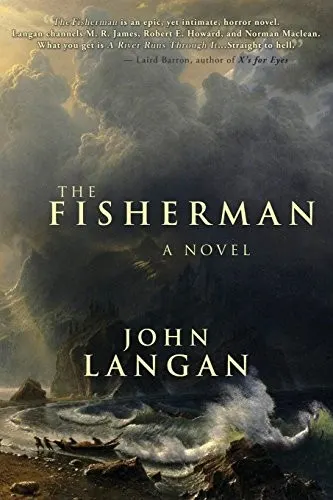
Langan understands Straub’s great trick: a supernatural tale gains power when it passes through damaged people who urgently need to tell it. Two widowers go fishing in upstate New York, and their modest excursion opens into a spellbinding story within the story—an old account whose accumulating detail becomes almost impossible to escape.
Like Ghost Story, The Fisherman joins grief, guilt, folklore, and cosmic terror without reducing the horror to metaphor. Its Bram Stoker Award was richly deserved: this is one of the defining horror novels of its generation, with an ending that leaves vast, cold spaces in the imagination.
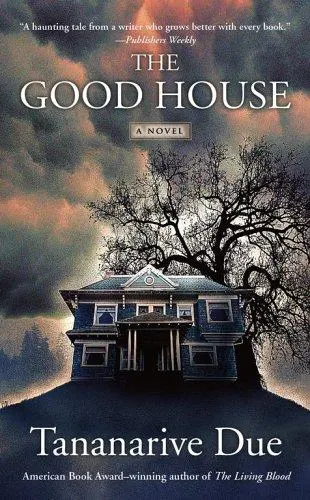
Read this for the emotional and moral weight Straub gives the supernatural. Angela Toussaint returns to her late grandmother’s Washington home, where a family tragedy and an inherited spiritual legacy have become entangled. Due builds terror through relationships, buried choices, and the pressure a community’s past exerts on its present.
The novel is generous where much horror is merely efficient: its people have histories, loyalties, blind spots, and lives worth fearing for. Long cherished by serious horror readers, The Good House demonstrates why Due is regarded as one of the field’s essential writers. Its evil is frightening, but its hard-won understanding of love and responsibility is what makes it unforgettable.
If the most compelling part of Ghost Story was the uncertainty—whether its characters are seeing clearly, lying to one another, or protecting themselves from an unbearable truth—The Little Stranger is indispensable. In postwar England, a country doctor becomes involved with the dwindling Ayres family and their decaying estate, Hundreds Hall. Small disturbances gather force, while the doctor’s calm narration grows increasingly difficult to trust.
Waters replaces Straub’s abundance of tales with ruthless control: class envy, desire, shame, and possible haunting become inseparable. Shortlisted for the Booker Prize, this is a rare literary ghost novel whose ambiguity intensifies rather than softens its horror. The final pages do not simply resolve the book; they compel you to reread everything that came before.