Author
Books like Peter Carey
3 books we recommend to Peter Carey readers, drawn from True History of the Kelly Gang — each with the reason why.
If you loved True History of the Kelly Gang
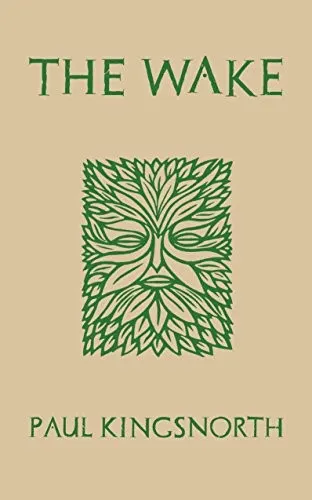
If Kelly’s breathless, punctuation-defying testimony felt inseparable from the man himself, meet Buccmaster, an English landowner raging against the Norman conquest in a language Kingsnorth invented from Old English and modern dialect. At first the prose resists you; soon you are thinking inside it.
Like Ned, Buccmaster casts himself as defender, victim and chosen hero, while his own words reveal pride, tenderness and terrifying delusion. Booker-longlisted and winner of the Gordon Burn Prize, The Wake is the rare historical novel as linguistically daring as Carey’s—and its voice is almost impossible to forget.
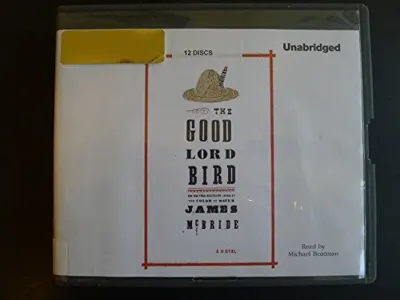
McBride turns history into a gloriously unstable firsthand yarn. Its narrator, Henry Shackleford, is a young enslaved boy swept into abolitionist John Brown’s orbit and determined to survive by improvisation. His account is sly, frightened, boastful and very funny; every apparent fact arrives transformed by personality.
A lover of Carey will recognize the deeper trick: national history being dismantled and rebuilt by someone official records cannot contain. Yet this is no imitation. McBride’s comedy has its own reckless velocity, and John Brown emerges as both absurdly theatrical and morally incandescent. The novel won the National Book Award because beneath its exuberance lies a piercing inquiry into who gets remembered, who gets misread and who controls the story.
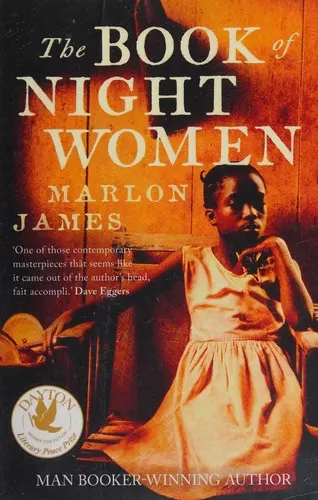
For the savage beauty beneath Kelly’s voice—the way love, humiliation and violence coexist in a single sentence—read Marlon James’s breakthrough novel. Lilith, born enslaved on a Jamaican sugar plantation, speaks through a fierce Creole-inflected narrative that refuses to make itself comfortable for the reader. James renders brutality unsparingly, but never allows suffering to flatten his characters into symbols.
What makes this National Book Critics Circle finalist essential is its emotional and linguistic authority. Rage becomes strategy; intimacy becomes dangerous; storytelling becomes a form of possession over a life others claim to own. Few historical novels match Carey’s ability to make language itself feel insurgent. This is one of them.