Author
Books like Patrick Hamilton
5 books we recommend to Patrick Hamilton readers, drawn from Hangover Square and The Slaves of Solitude — each with the reason why.
If you loved Hangover Square
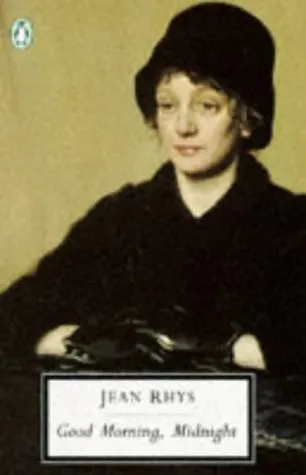
Sasha Jensen drifts through Parisian cafés, cheap hotel rooms and remembered humiliations, trying to maintain a brittle persona while drink and loneliness loosen her grip. Rhys captures the same painful division Hamilton finds in George Harvey Bone: a consciousness watching its own collapse, sometimes lucidly and even wittily, yet unable to intervene.
The prose is sparer than Hamilton’s, but its sudden movements from mordant comedy to naked anguish are devastating. Once neglected, Good Morning, Midnight is now recognized as one of Rhys’s defining novels. Few books understand so precisely how poverty, shame and casual unkindness can turn an ordinary city into a private inferno.
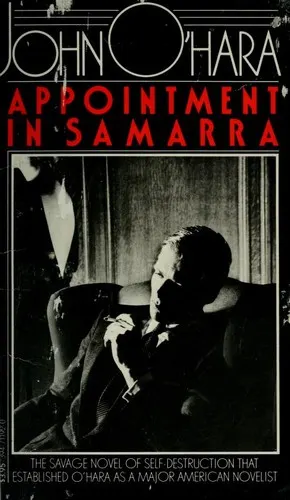
Julian English makes one reckless gesture at a country-club party and then begins compounding it. O’Hara follows the consequences with the fatal momentum Hamilton gives Bone’s pub-crawling orbit: every drink, insult and attempted recovery narrows the available future.
What makes this classic American novel such a strong match is its ruthless understanding of social ecosystems. O’Hara knows exactly who may snub whom, which joke conceals contempt and how a roomful of acquaintances can collaborate in someone’s destruction. His dialogue is superb, his judgment unsentimental, and the accumulating dread is almost physically oppressive. It remains one of the sharpest novels ever written about self-destruction masquerading as choice.

Bainbridge approaches Hamilton’s territory from the outside. Rather than imprisoning us in one disordered mind, she assembles lonely flatmates, factory workers, sexual opportunists and would-be romantics, then lets their misunderstandings rub against one another until comedy becomes menace.
This Booker-shortlisted novel is short, fast and extraordinarily controlled. Bainbridge shares Hamilton’s genius for bathos: grand emotions emerge through shabby rooms, bad manners and hopelessly misjudged remarks. She also refuses to separate cruelty from ridiculousness, so that laughter catches in the throat. Anyone who loved the way Hangover Square makes doom feel both grotesque and terribly ordinary should not miss it.
If you loved The Slaves of Solitude

Mrs Palfrey arrives at a modest residential hotel whose lounges and dining room constitute an entire social battlefield. Like Miss Roach, she must endure scrutiny, coded insults, shifting alliances, and the humiliations reserved for a woman whom others consider marginal.
Taylor is gentler than Hamilton but no less exact about the cruelty hidden inside manners. Every seating arrangement and conversational pause matters; the comedy comes from watching people preserve their dignity with inadequate weapons. Booker-shortlisted on publication and now among Taylor’s most beloved novels, it offers that same piercing mixture of loneliness, farce, and stubborn self-possession.
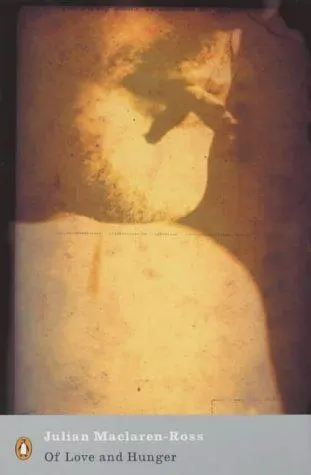
Richard Fanshawe sells vacuum cleaners door to door, living precariously from commission to commission. Maclaren-Ross makes tram fares, cups of tea, sales patter, and the prospect of another drink carry the weight of fate. His hero’s world is sociable yet desolate: everyone talks, bargains, boasts, or borrows, while genuine connection remains painfully elusive.
This cult novel has Hamilton’s gift for turning lower-middle-class embarrassment into both comedy and suspense. Its slangy, beautifully controlled narration never pleads for its struggling characters, which makes their hunger—for money, affection, and escape—more affecting. Anyone susceptible to Hamilton’s smoky, alcohol-fuelled tragicomedy should not miss it.