Author
Books like Ottessa Moshfegh
3 books we recommend to Ottessa Moshfegh readers, drawn from My Year of Rest and Relaxation — each with the reason why.
If you loved My Year of Rest and Relaxation
Millie is a thirty-year-old temp worker cycling through interchangeable offices, forced cheerfulness, and fantasies of finally becoming a functional person. Butler captures the same hideous comedy Moshfegh finds in privilege without purpose: her heroine knows exactly how fraudulent the rituals of self-improvement are, yet remains susceptible to every one of them.
Short, caustic, and painfully recognizable, The New Me has earned a cult following as one of the defining novels of contemporary workplace alienation. Its sentences are merciless, particularly when Millie turns her disgust on herself. If you loved the unnamed narrator of My Year of Rest and Relaxation because she was both appalling and brutally lucid, Millie is essential company.
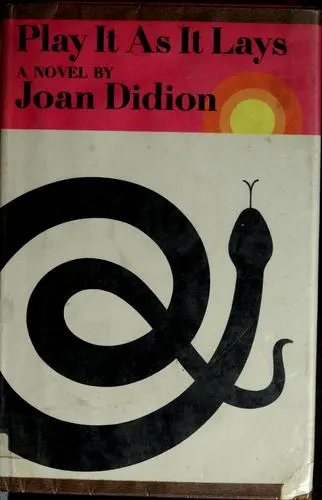
This is one of the clearest literary ancestors of Moshfegh’s novel. Maria Wyeth moves through Hollywood, highways, parties, and clinical rooms in a state of immaculate estrangement. Didion strips her prose to hard, bright fragments; the emotional vacancy is not a lack of feeling but the shape feeling takes when ordinary consolations have become unbelievable.
Now regarded as one of Didion’s defining works, Play It as It Lays possesses the chilly glamour and moral nausea that My Year of Rest and Relaxation weaponizes for a later era. It is far leaner and less openly comic, but its control is hypnotic. Read it to encounter the earlier masterpiece whose despair still feels dangerously modern.
Where Moshfegh’s narrator tries to extinguish appetite, Rachel tries to discipline it into submission. She counts calories, follows rigid routines, and treats desire as a problem to be managed—until an encounter at a frozen-yogurt shop begins unsettling her carefully regulated life.
Broder writes about hunger in every sense: for food, sex, tenderness, freedom, and permission to inhabit a body without apology. The result is filthy, funny, anxious, and unexpectedly moving, with the same willingness to make a female narrator needy, vain, obsessive, and fully alive. Milk Fed has inspired unusually passionate readers because it refuses tidy uplift; its liberation is messy, physical, and earned. It is the ideal next book if Moshfegh’s ruthless account of self-erasure left you wanting a novel about the terrifying opposite—wanting more.