Author
Books like Olive Schreiner
3 books we recommend to Olive Schreiner readers, drawn from The Story of an African Farm — each with the reason why.
If you loved The Story of an African Farm
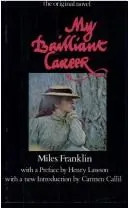
Sybylla Melvyn has Lyndall’s appetite for self-determination and the same enraging knowledge that marriage may demand the surrender of her mind. Franklin gives her a wonderfully unruly voice: vain, funny, ardent, self-lacerating, and determined to author her own life rather than become the heroine of someone else’s romance.
A foundational Australian classic, written while Franklin was still a teenager, it replaces Schreiner’s solemnity with comic volatility but preserves her radical question: what can an ambitious young woman do when every respectable future looks like diminishment? Sybylla’s defiance has made generations of readers fiercely protective of her.
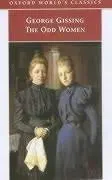
Where Schreiner dramatizes feminist ideas through visionary intensity, Gissing subjects them to the hard pressure of rent, employment, sexual desire, and loneliness. Mary Barfoot and Rhoda Nunn train women for independent work, but the novel never turns them into spotless symbols; their principles collide with temperament, pride, and emotional need.
One of the defining New Woman novels of the 1890s, it offers the same bracing experience as Schreiner: arguments about marriage and autonomy become urgent because fallible people must live them. Its unsentimental intelligence makes much later fiction about women’s independence seem evasive.
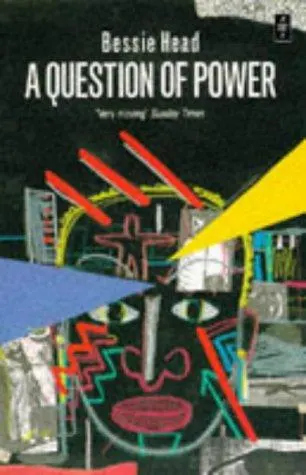
Readers drawn to Waldo’s spiritual anguish and Schreiner’s willingness to let philosophy erupt through realism should not miss this African modernist landmark. Elizabeth, an exile living in Botswana, finds the boundaries between ordinary life, psychic torment, and metaphysical struggle becoming terrifyingly porous. Head turns a woman’s consciousness into the arena for questions about domination, goodness, sexuality, and the possibility of belonging.
The novel is more hallucinatory and harrowing than Schreiner’s, yet it shares her moral fearlessness and her distrust of neat divisions between private suffering and public power. Bessie Head is one of southern Africa’s essential writers, and this is her most daring book: difficult, incandescent, and unlike anything else.