Author
Books like Nina LaCour
3 books we recommend to Nina LaCour readers, drawn from We Are Okay — each with the reason why.
If you loved We Are Okay

Like We Are Okay, Tin Man trusts silence. Its central figures—Ellis, his wife Annie, and his childhood friend Michael—are bound by love that ordinary labels cannot adequately contain. Winman reveals their history through small gestures, withheld words, and memories whose emotional force far exceeds the novel’s slender size.
Readers cherish Tin Man for its tenderness toward queer love and its understanding that grief can make solitude feel safer than connection. Its prose is luminous without ornament, and its final effect is enormous: a brief, beautiful book about the people who remain part of us even in their absence.
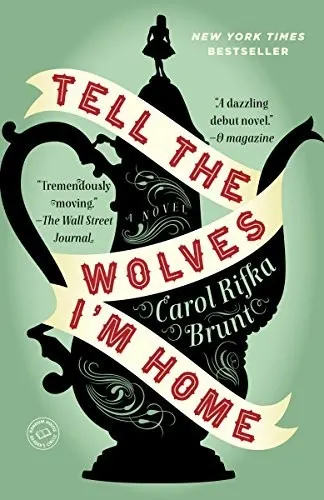
Fourteen-year-old June loses the uncle who understood her better than anyone else. Then she encounters Toby, a man connected to her uncle’s life whom her family has taught her to distrust. Their uneasy meetings gradually create a private refuge where each can speak honestly about the person they miss.
Brunt is especially good at the tangled, imperfect forms grief takes: jealousy, secrecy, resentment, fierce loyalty. As in LaCour’s novel, healing does not mean leaving the dead behind; it means allowing other people into the sealed room of sorrow. This Alex Award–winning debut has become beloved because it refuses easy consolation while still offering genuine hope.

Biz feels herself coming unmoored. She withdraws from friends, struggles to explain what is happening inside her, and speaks with her dead father—whether as memory, vision, or something she cannot name. Helena Fox renders that instability in intimate, fluid prose that places the reader directly inside Biz’s mind.
This is the closest match to We Are Okay’s fusion of queer self-discovery, mental illness, bereavement, and aching inwardness, yet Fox’s voice is entirely her own: stranger, more fragmented, almost tidal. Winner of Australia’s Prime Minister’s Literary Award for young adult literature, it is devastatingly honest about wanting to disappear—and deeply moving about the people who keep reaching for you.