Author
Books like Nicholson Baker
3 books we recommend to Nicholson Baker readers, drawn from The Mezzanine — each with the reason why.
If you loved The Mezzanine
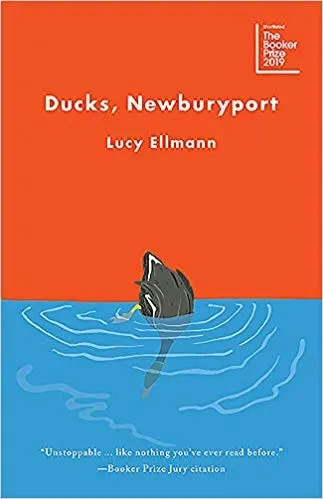
Ellmann takes Baker’s faith in digression to exhilarating extremes. An Ohio mother bakes pies while her mind ranges through family logistics, remembered embarrassments, wordplay, popular culture, environmental dread, and the thousand tiny alarms of contemporary life—all carried by a vast, propulsive sentence built around the refrain “the fact that.”
Like The Mezzanine, it treats supposedly trivial thought as serious literary material without sacrificing comedy. Yet its scale transforms microscopic noticing into something symphonic: verbal tics accumulate, worries echo, and domestic consciousness becomes a portrait of an entire culture. Winner of the Goldsmiths Prize and shortlisted for the Booker, it is a genuine formal landmark—and far more compulsively readable than its size suggests.
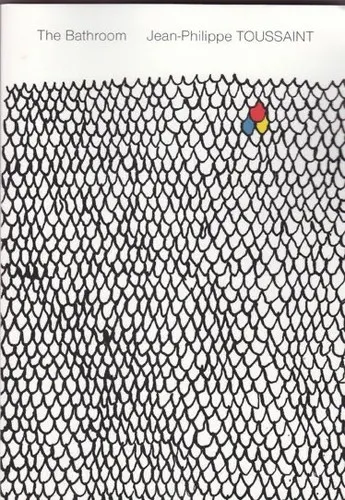
At the opening of Toussaint’s sly, deadpan debut, a young Parisian decides to live in his bathroom. From that premise comes a beautifully controlled meditation on stillness, time, habit, and the strange logic by which a mind justifies its smallest choices.
Where Baker is luxuriantly digressive, Toussaint is austere: brief numbered fragments, immaculate comic timing, no wasted motion. But both writers understand that plumbing, furniture, clothing, and bodily routines become metaphysical if inspected closely enough. A cult classic of European minimalism, The Bathroom offers the peculiar delight of watching almost nothing happen with such precision that every gesture begins to look momentous.
Speedboat captures the texture of thought not by following one sustained digression but by assembling flashes: overheard remarks, social absurdities, sudden judgments, memories, jokes, and observations sharp enough to alter the air around them. Its narrator moves through journalism and New York life, but conventional plot matters less than the dazzling intelligence deciding what deserves notice.
Baker admirers will recognize the pleasure of a sentence that pauses over what other novelists would discard. Adler’s fragments are cooler and more elliptical than Baker’s footnotes, yet they share his sense that consciousness advances through association rather than orderly narrative. First published in 1976 and later restored to prominence by New York Review Books, Speedboat became a touchstone for generations of fragmentary novels. Its devoted reputation is deserved: once read, it changes what a novel—and an observation—can look like.