Author
Books like Négar Djavadi
3 books we recommend to Négar Djavadi readers, drawn from Disoriental — each with the reason why.
If you loved Disoriental
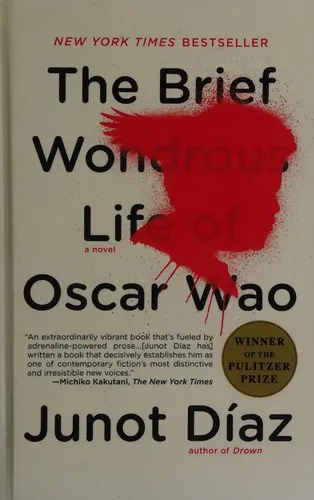
This Pulitzer Prize winner has Disoriental’s exhilarating sense that a family story cannot be separated from a nation’s buried violence. Moving between the Dominican Republic and New Jersey, Díaz combines slang, footnotes, political history, gossip, science fiction, and competing narrators into a form that feels spoken, argued, and improvised.
Its deepest kinship with Djavadi lies in its refusal to make history decorous. Dictatorship enters jokes, romances, bodies, and family silences; archival explanation collides with an irreverent vernacular voice. If you loved the way Disoriental turns digression into momentum, Díaz’s audacious, bruisingly funny novel is indispensable.
For the particular ache of Disoriental—the exile who is free yet no longer entirely at home anywhere—read Ugrešić. Tanja, a teacher in Amsterdam, leads students from the former Yugoslavia through exercises in shared memory, trying to recover a country that has vanished while knowing nostalgia can falsify what it preserves.
Ugrešić, one of the most incisive writers of post-Yugoslav exile, writes with icy wit rather than Djavadi’s flamboyance. She understands how displacement alters vocabulary, intimacy, and even one’s confidence in memory. The result is a fiercely intelligent novel about the seductions and dangers of turning personal loss into a collective story.
Mina Simpson, a Lebanese American trans physician, travels to Lesbos to help at a refugee camp. Alameddine could have made this a solemn novel of witness; instead, he produces something stranger and better—wry, self-questioning, digressive, and suspicious of every tidy story outsiders tell about displaced people.
Readers who loved Kimiâ’s queer, expatriate perspective will recognize Mina’s caustic intelligence and her resistance to identities imposed from outside. Yet the novel’s most compelling question is ethical: who gets to narrate suffering, and what does storytelling take from the person being described? Winner of the PEN/Faulkner Award, it has the rare combination of formal playfulness, political seriousness, and unruly human warmth that makes Disoriental so memorable.