Author
Books like Mordecai Richler
6 books we recommend to Mordecai Richler readers, drawn from The Apprenticeship of Duddy Kravitz and Barney's Version — each with the reason why.
If you loved The Apprenticeship of Duddy Kravitz
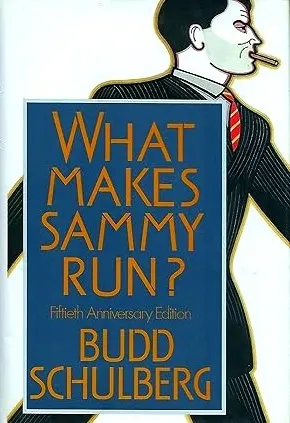
Sammy Glick is Duddy’s closest literary cousin: a ferociously alert copyboy who treats every human relationship as either a rung or an obstacle. Schulberg makes his ascent through 1930s Hollywood exhilarating to watch and increasingly hard to excuse. The kinship lies not just in ambition, but in the unsettling question both novels press: if a society worships success, how much can it blame the young man who pursues it without scruple?
Published in 1941, this enduring Hollywood novel still feels fast, sharp, and dangerously alive. Anyone captivated by Richler’s mixture of disgust, fascination, and reluctant admiration will recognize the charge immediately.
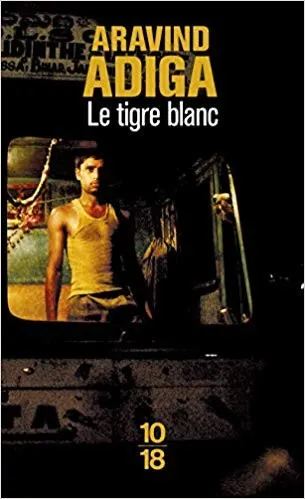
Balram Halwai tells his story in letters written over seven nights, explaining how a poor village boy became an entrepreneur. His voice is the irresistible engine: funny, observant, boastful, intimate, and morally unnerving. Like Duddy, Balram has learned to read the hypocrisy of his world with unusual clarity—and to use that knowledge ruthlessly.
Adiga’s Booker Prize winner turns upward mobility into both a liberation story and a savage indictment. Its jokes do not soften its anger; they sharpen it. If Duddy made you feel the thrill and ugliness of self-invention at once, Balram’s account is essential reading.
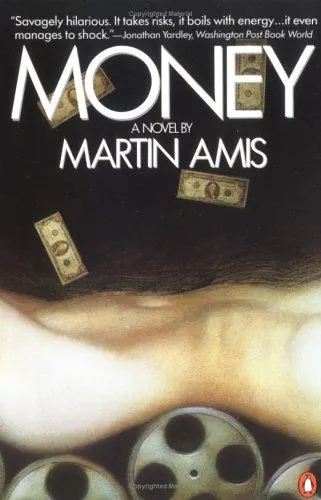
John Self, a film director ricocheting between London and New York, is appetite made flesh: money, alcohol, pornography, junk food, status. Where Duddy’s energy is lean and hungry, Self’s is swollen and consuming—but Martin Amis gives him the same dangerous readability. You know he is vulgar, vain, and self-deceiving, yet his voice keeps hauling you onward.
Widely regarded as one of Amis’s defining novels, Money is a virtuoso performance of comic excess, verbal invention, and cultural disgust. Richler readers will relish its refusal to separate hilarity from moral judgment: every dazzling joke reveals another form of emptiness underneath.
If you loved Barney's Version
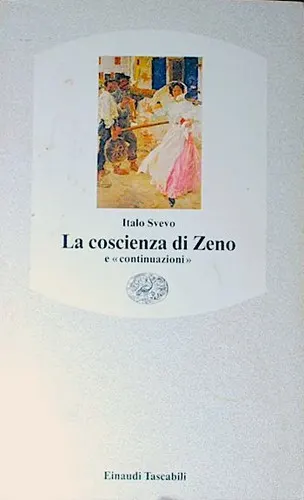
Like Barney’s Version, this is a memoir whose supposed explanations steadily expose the man doing the explaining. Zeno writes about smoking, illness, business and marriage with magnificent self-serving ingenuity; every bid for sympathy accidentally reveals another vanity or betrayal. Even the framing device undermines his authority, making the reader an amused detective of character.
Svevo’s comedy is gentler than Richler’s, but just as exact about the stories intelligent men invent to survive themselves. Championed by James Joyce and now regarded as a modernist classic, Zeno’s Conscience offers that rare pleasure: hundreds of pages in the company of a man you distrust completely and miss as soon as he stops talking.
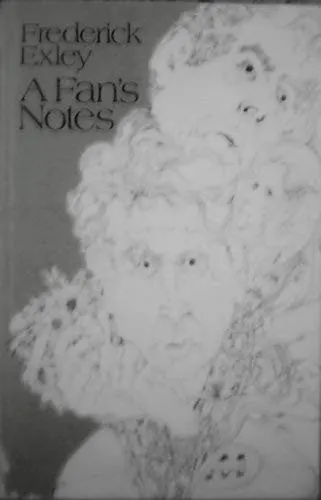
Exley’s narrator has Barney’s appetite for drink, grievance, disastrous behavior and retrospective mythmaking, but his chosen arena is American failure. From hospitals and bars, he measures his stalled life against football hero Frank Gifford’s public triumphs. The result is not really a sports novel; it is a ferociously funny account of spectatorship, thwarted ambition and the humiliating need to matter.
Its voice is the reason the book became a fiercely cherished cult classic: grandiose, obscene, painfully lucid and capable of turning self-pity into genuine pathos. Exley does not ask you to approve of him. He performs the more difficult trick of making his failures feel specific, absurd and devastatingly human.
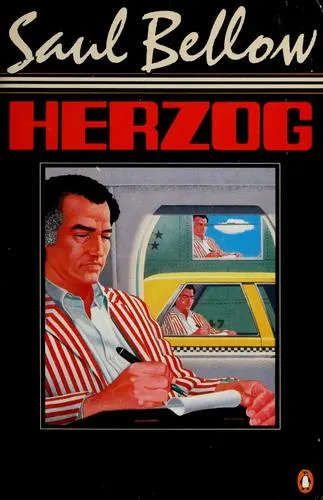
Moses Herzog begins amid the wreckage of a marriage, compulsively composing letters—to friends, enemies, philosophers, politicians and the dead. The letters are often never sent, but they give his injured intelligence somewhere to rage, prosecute and show off. A reader who relished Barney’s feuds, romantic history and habit of turning private disaster into a sprawling argument will recognize the exhilaration immediately.
Yet Herzog is more than a virtuoso display of grievance. Bellow lets comedy, jealousy and cerebral bravado gradually make room for stillness and fellow feeling. Winner of the National Book Award and one of Bellow’s defining novels, it earns its stature sentence by sentence: exuberant, unruly, merciless about male vanity, and finally much more moving than its hero’s complaints initially allow.