Author
Books like Milorad Pavić
3 books we recommend to Milorad Pavić readers, drawn from Dictionary of the Khazars — each with the reason why.
If you loved Dictionary of the Khazars
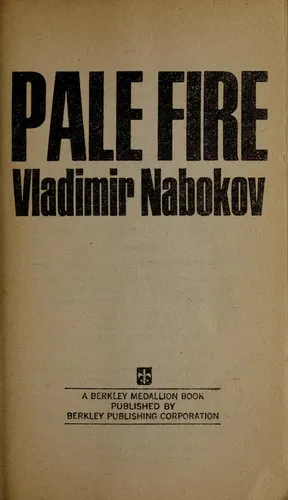
A 999-line poem arrives surrounded by the commentary of Charles Kinbote, an editor whose notes steadily become more consuming than the work they supposedly explain. As in Dictionary of the Khazars, scholarship is transformed into fiction’s most treacherous instrument: cross-references lead sideways, authorities compete, and interpretation becomes an act of detection.
Nabokov makes the book both intricately engineered and wildly funny; Kinbote’s vanity gives the textual labyrinth a vivid human pulse. Long regarded as one of Nabokov’s supreme formal achievements, Pale Fire offers that rare pleasure Pavić understood perfectly: the suspicion that the real novel exists somewhere between its documents, waiting for the reader to invent it.
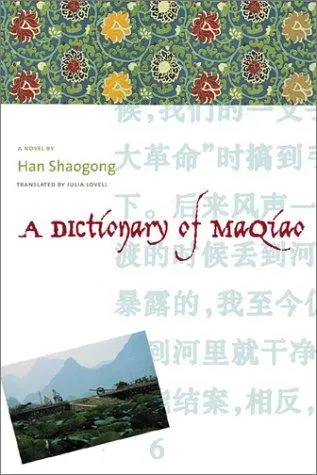
Han builds his novel from dictionary entries devoted to the language of a rural Chinese community. Yet each definition opens into story, superstition, political memory, comedy, or argument. Words do not merely describe Maqiao; they preserve its rival versions of reality—and expose how official language can falsify lived experience.
This is the closest formal cousin here to Pavić’s novel, but its power goes far beyond the shared lexicon structure. Han’s entries show history surviving inside idioms, insults, names, and verbal misunderstandings. The result, now widely treated as a modern Chinese classic, is earthy, intellectually provocative, and inexhaustibly rereadable: skip it, and you miss one of the finest demonstrations that a dictionary can contain an entire civilization.
Ugrešić writes as though memory were a damaged museum: photographs, lists, anecdotes, quotations, dreams, and ordinary objects remain after the explanatory plaque has disappeared. The reader must discover the emotional connections among them. Pavić admirers will recognize the exhilaration of nonlinear construction, but here the game carries the ache of exile and the collapse of a shared historical world.
Ugrešić’s wit keeps the novel from becoming solemn; she is sharp about nostalgia, nationalism, and our desire to make coherent stories from loss. Her later Neustadt Prize confirmed the international stature already earned by books like this one. Few novels make fragmentation feel so intimate: its pieces seem scattered at first, then begin to exert the haunting gravity of belongings recovered from a life you somehow remember.