Author
Books like Meridel Le Sueur
3 books we recommend to Meridel Le Sueur readers, drawn from The Girl — each with the reason why.
If you loved The Girl
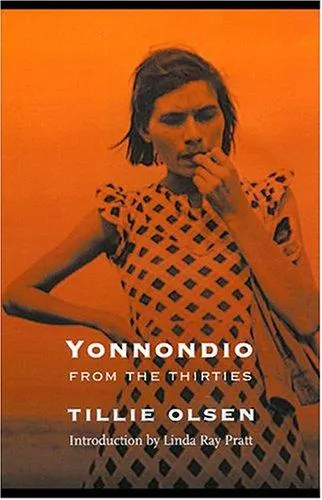
This is The Girl’s closest literary relative: lyrical, furious, and attentive to what poverty does inside the body. Beginning in a Wyoming mining camp, Olsen filters industrial hardship through young Mazie Holbrook’s alert imagination. Beauty and deprivation occupy the same sentence without either canceling the other.
Like Le Sueur, Olsen writes working-class people from within their hunger, exhaustion, jokes, and loyalties—not as material for a social lesson. She recovered the unfinished manuscript decades after abandoning it, and its broken form now feels inseparable from the lives that economic necessity prevented women from writing. A cornerstone of recovered proletarian literature, Yonnondio is brief but haunting: reading it makes visible an entire tradition that respectable literary history nearly misplaced.
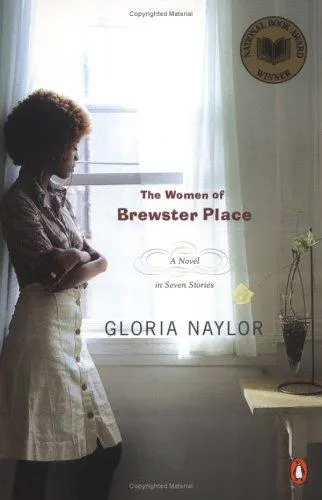
Naylor’s National Book Award–winning debut gives its deepest allegiance not to one heroine but to a gathering of women. Seven linked stories accumulate into the life of Brewster Place itself, with gossip, memory, quarrels, desire, and hard-earned care passing from one household to another.
A reader who loved how Le Sueur turns women’s testimony into collective knowledge will recognize Naylor’s method immediately. Yet Naylor never sentimentalizes sisterhood: these women can misjudge and wound one another, while still remaining each other’s best defense against isolation. Her supple movement between intimate realism and myth gives ordinary speech enormous resonance. Brewster Place has become a classic because its women do not merely inhabit the book; together, they become its consciousness.
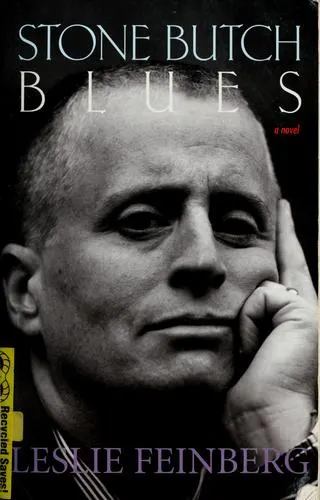
Feinberg extends Le Sueur’s working-class feminism into queer bars, factories, union shops, and the perilous borderlands of gender. Jess Goldberg’s voice is plainspoken and vulnerable, carrying both documentary force and flashes of startling tenderness. Here, as in The Girl, the body records history: labor, desire, fear, and social punishment are never abstract ideas.
What makes the novel indispensable is its portrait of solidarity assembled under pressure. Recognition can begin with a glance across a room; community is built through shared language, practical protection, and the refusal to let another person disappear. Winner of the Stonewall Book Award and now a landmark of queer literature, Stone Butch Blues inspires unusual devotion because it offers no easy uplift—only the harder, more convincing hope of people teaching one another how to survive.