Author
Books like Megha Majumdar
3 books we recommend to Megha Majumdar readers, drawn from A Burning — each with the reason why.
If you loved A Burning
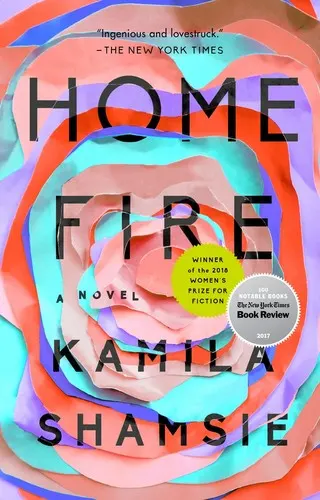
Like A Burning, Home Fire shows private lives being seized and rewritten by politicians, police, and the news. Its British Muslim siblings begin with conflicting loyalties and desires; soon, each must decide what love is worth when the state demands a simpler story about guilt and belonging.
Shamsie’s retelling of Antigone has the clean, tightening architecture of tragedy: every perspective complicates the last, while public rhetoric steadily crushes private truth. Winner of the Women’s Prize for Fiction, it offers the same terrible pleasure as Majumdar’s novel—the sense that the ending is being manufactured in plain sight, one defensible compromise at a time.
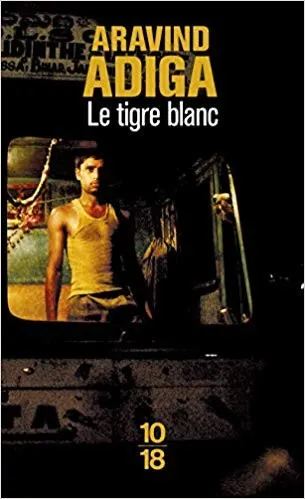
Readers fascinated by PT Sir’s moral deterioration should meet Balram Halwai, the chauffeur narrating his rise from poverty in a darkly comic letter. Balram understands that aspiration is not automatically ennobling: in a vicious hierarchy, wanting a better life can make a person observant, inventive—and willing to absorb the hierarchy’s cruelty.
Adiga’s Booker Prize winner is louder and more brazen than A Burning, but it shares Majumdar’s ruthless clarity about class, self-invention, and the seductive language of success. Balram’s voice is funny enough to win your complicity before his logic begins to sting. Few novels make corruption feel so intimate, or expose so brilliantly the stories people tell themselves in order to survive it.

Romy Hall is serving two life sentences in a California prison, and Kushner refuses the consoling idea that her fate can be explained by one bad decision. Instead, The Mars Room reveals an entire ecology of abandonment—poverty, predatory men, indifferent courts, and institutions whose bland procedures conceal enormous violence.
A Booker Prize finalist, the novel shares A Burning’s unsentimental attention to people society finds easy to discard. Its shifting voices are abrasive, funny, intelligent, and alive; its critique emerges through concrete details rather than speeches. Kushner gives incarcerated women the complexity usually reserved for celebrated antiheroes, making this not merely a prison novel but one of the sharpest contemporary novels about who is permitted a future.