Author
Books like Margaret Drabble
3 books we recommend to Margaret Drabble readers, drawn from The Radiant Way — each with the reason why.
If you loved The Radiant Way
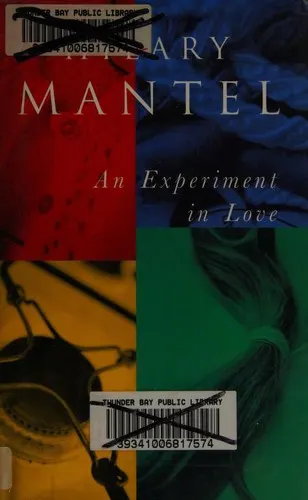
Carmel, Karina and Julianne grow up together before entering the newly opened world of higher education, carrying class, religion and childhood rivalry with them. Mantel understands, as Drabble does, that opportunity never arrives cleanly: liberation can produce hunger, shame and ruthless self-invention as readily as freedom.
Booker-shortlisted long before Mantel’s Cromwell novels made her famous, this is one of her sharpest and most intimate books. Its dry wit, psychological accuracy and unsentimental treatment of female friendship make it feel like a concentrated precursor to The Radiant Way—a novel you may finish quickly but continue reconsidering for years.
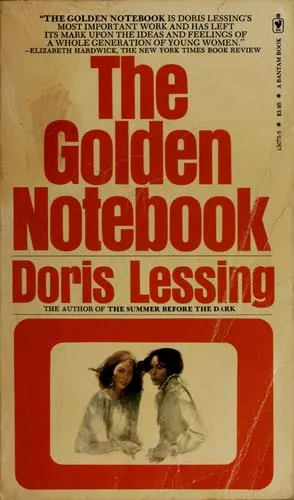
If you loved Drabble’s refusal to separate intellectual life from emotional disorder, read Lessing’s audacious novel about writer Anna Wulf, who divides her experience among several notebooks—politics, fiction, memory and private anguish—because no single narrative seems able to contain it.
Lessing makes ideas dramatically urgent: communism, feminism, artistic responsibility and mental disintegration are lived rather than debated at a safe distance. Published in 1962, the novel became a touchstone for generations of women readers, even as Lessing resisted reductive interpretations of it. Its structure is demanding but purposeful; few novels better capture the frightening moment when a highly intelligent woman’s systems for understanding the world stop protecting her from it.
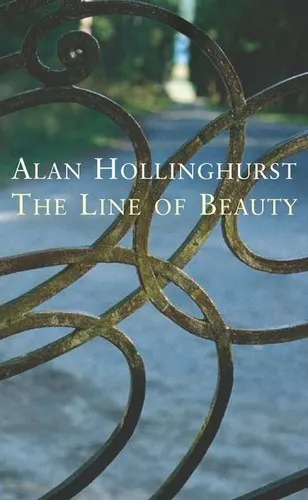
Hollinghurst offers another brilliant social anatomy of Thatcher’s Britain, but from the precarious viewpoint of Nick Guest, a young aesthete admitted into the wealthy, politically connected Fedden household. What links it to Drabble is not merely the decade: both novels reveal how public ideology infiltrates rooms, manners, friendships and desire until private life becomes inseparable from national self-deception.
Winner of the 2004 Booker Prize, The Line of Beauty is celebrated for prose of almost unnerving elegance. Hollinghurst can make a dinner party disclose an entire hierarchy, then expose the need and fear beneath its polish. Read it for the sensuous writing; remember it for its devastating clarity about privilege, belonging and the cost of being welcomed into a world that was never truly yours.