Author
Books like Louisa May Alcott
3 books we recommend to Louisa May Alcott readers, drawn from Little Women — each with the reason why.
If you loved Little Women
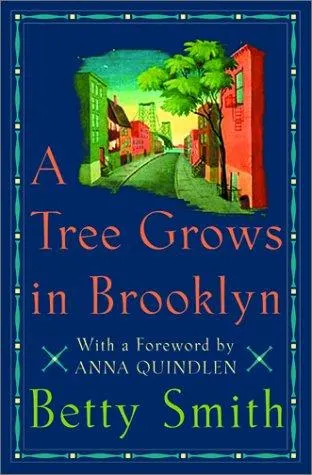
Francie Nolan, growing up poor in early-twentieth-century Brooklyn, has Jo March’s hunger for books, observation, and a life larger than circumstances seem to permit. Betty Smith gives household economies—food, rent, small treats—the same emotional weight Alcott gives the Marches’ sacrifices, while portraying family members as mixtures of weakness, charm, endurance, and disappointment.
Since 1943, generations of readers have claimed Francie as one of literature’s formative companions. The novel earns that devotion: it understands that becoming oneself can involve loving your family fiercely while seeing them clearly. Anyone moved by Jo’s determination and Marmee’s practical courage should not miss it.
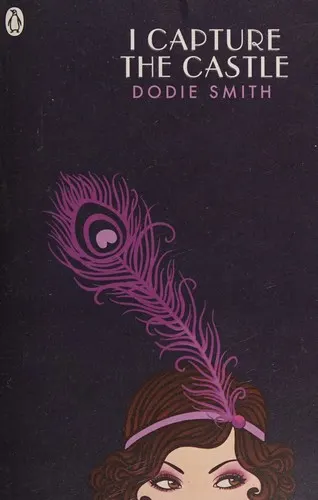
Seventeen-year-old Cassandra Mortmain begins writing a journal in a crumbling English castle, trying to capture her eccentric, impoverished family and discover what kind of writer—and person—she might become. Her voice is the irresistible center: observant, funny, romantic, occasionally foolish, and steadily sharpened by experience.
Like Little Women, this beloved modern classic treats writing not as a decorative talent but as a way a young woman claims authority over her own life. Its family comedy has real financial anxiety underneath it, and its romance never eclipses Cassandra’s artistic awakening. Readers often finish wishing they could remain inside her sentences a little longer.
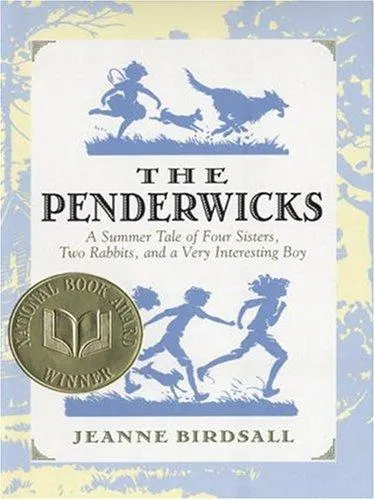
The four Penderwick sisters arrive at a summer cottage with sharply different temperaments, private loyalties, and a gift for turning ordinary days into consequential adventures. Birdsall’s great achievement is not simply creating another family of sisters; it is showing how siblings develop a shared language while still needing room to become unmistakably themselves.
Winner of the National Book Award for Young People’s Literature, The Penderwicks has inspired the kind of rereading devotion usually reserved for older classics. It offers comedy without condescension, moral growth without sermons, and a household whose members feel more lovable because they exasperate one another. It is the rare heir to Alcott’s domestic magic that understands exactly how difficult that magic is.