Author
Books like Ling Ling Huang
3 books we recommend to Ling Ling Huang readers, drawn from Natural Beauty — each with the reason why.
If you loved Natural Beauty
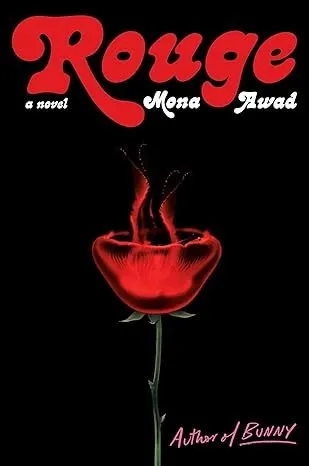
Awad turns the beauty counter into a fairy-tale threshold. After her mother’s death, Belle—lonely, skincare-obsessed, and susceptible to promises of radiance—is drawn toward a mysterious spa whose treatments blur luxury, ritual, and predation.
Like Huang, Awad understands that beauty culture works through genuine longing, not simple vanity. Rouge is feverish where Natural Beauty is coolly clinical, steeping racialized ideals and mother-daughter inheritance in mirrors, roses, and dream logic. Awad’s cult following, first galvanized by Bunny, loves precisely this combination of mordant comedy and gorgeous nightmare. Skip Rouge and you miss one of the essential novels in beauty horror’s new canon.
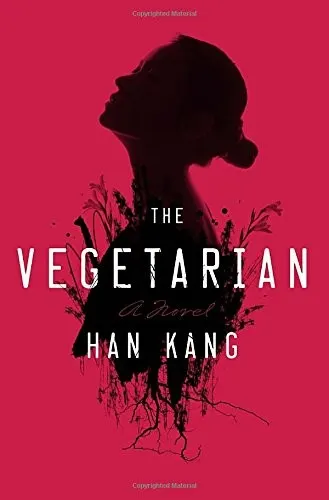
A seemingly ordinary woman stops eating meat after a disturbing dream. That private decision becomes intolerable to everyone around her, exposing how thoroughly her family believes her body belongs to them.
Natural Beauty readers will recognize the frightening slide from bodily discipline into bodily revolt, but Han Kang strips away Huang’s glittering commercial world and leaves something starker: appetite, coercion, shame, and the fantasy of escaping human demands altogether. Told through the eyes of people who watch, use, and misunderstand its central woman, the novel makes objectification part of its very structure. This strange, concentrated masterpiece won the International Booker Prize and helped establish Han Kang—later the 2024 Nobel laureate—as one of contemporary fiction’s indispensable writers.
Ren Yu is a competitive swimmer whose devotion to the pool exceeds ambition: she is convinced that she belongs to the water more truly than she belongs in an ordinary human body. Song captures the punishing routines of elite achievement—the measurements, scrutiny, pain, and hunger—while letting Ren’s conviction gather an uncanny force.
Where Natural Beauty asks what perfection extracts from an artist and consumer, Chlorine asks whether transformation might also be an escape from the identities imposed on an Asian American girl. Its voice is ferocious, funny, and startlingly intimate; its body horror feels less like a gimmick than the physical form of an adolescent desire too large for realism. Song’s acclaimed debut has already inspired the kind of passionate readership reserved for books that make monstrosity feel like liberation.