Author
Books like Karel Čapek
3 books we recommend to Karel Čapek readers, drawn from War with the Newts — each with the reason why.
If you loved War with the Newts
A nearsighted missionary baptizes a colony of penguins, obliging Heaven to convert them into human beings; from that immaculate absurdity, France constructs an entire national history. Property, aristocracy, religion, militarism, financial speculation, and patriotic myth all emerge as if they were perfectly reasonable—and therefore look especially ridiculous.
Like Čapek, France uses a nonhuman conceit not for whimsical allegory but to expose the stories by which societies excuse appetite and violence. The mock scholarship, sweeping historical scale, and serene narration make every absurdity land harder. Written by a future Nobel laureate, Penguin Island remains one of the great corrosive comic novels: readers who relish Čapek’s panoramic mischief should regard it as essential.
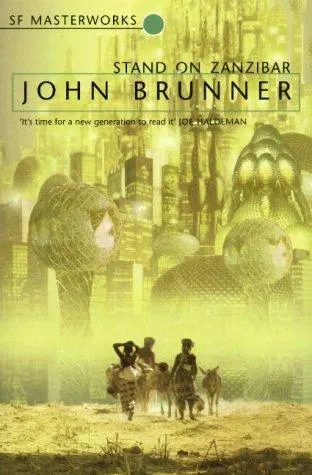
Brunner does not merely describe an overcrowded, corporatized near future; he makes you inhabit its information storm. Conventional scenes collide with advertisements, headlines, statistics, slang, overheard arguments, and fragments of popular wisdom. The result resembles Čapek’s documentary collage expanded into a roaring modern metropolis.
Beneath the formal dazzle lies the same systems-level intelligence: corporations, governments, media, and ordinary consumers collectively manufacture catastrophes that no single villain controls. Winner of the Hugo Award and a landmark of science fiction’s New Wave, Stand on Zanzibar is astonishingly alive on the page. Its density becomes addictive—the exhilarating sensation of watching a whole civilization think, sell, panic, and lie at once.
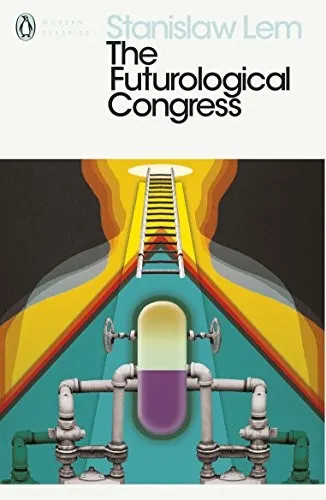
Ijon Tichy arrives at a futurists’ conference where experts debate humanity’s worsening crises in bland professional language while disorder spreads outside. From there, Lem subjects perception, political reassurance, and technological optimism to an escalating comic assault.
Where Čapek multiplies reports and public voices, Lem weaponizes vocabulary itself: euphemisms breed, official explanations mutate, and language becomes both narcotic and trap. The jokes are fast and grotesque, but their target is grave—the human willingness to prefer a managed illusion to an intolerable fact. This compact cult classic by one of speculative fiction’s most formidable intellects delivers more invention than many novels five times its length, and its final unease is difficult to shake.