Author
Books like Joshua Ferris
3 books we recommend to Joshua Ferris readers, drawn from Then We Came to the End — each with the reason why.
If you loved Then We Came to the End

Park’s formally audacious debut is the closest companion here—not merely because it concerns office workers, but because it understands the workplace as a storytelling organism. Rumor, jargon, private loyalties, and communal paranoia circulate through a dwindling staff until no one can separate corporate reality from the mythology employees create to survive it.
Like Ferris, Park makes anonymous labor both hilarious and existentially frightening. His structural games—including a bravura late section that radically changes the book’s rhythm—turn downsizing into a crisis of language and identity. A PEN/Hemingway finalist that has acquired a devoted readership, Personal Days is one of the indispensable novels of modern office life.
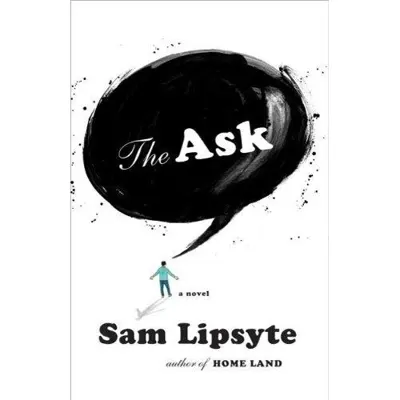
If Ferris’s sharpest jokes made you wince because humiliation was always underneath them, read The Ask. Milo Burke, a failed artist employed as a university fundraiser, survives by deploying resentment, self-mockery, and verbal aggression faster than anyone can pity him.
Lipsyte is among contemporary American fiction’s most ferocious comic stylists: sentences snap with insults, grotesque metaphors, and perfectly tuned evasions. Yet the novel’s real achievement is moral. It exposes how economic insecurity poisons friendship, marriage, ambition, and even generosity without reducing its compromised characters to targets. The Ask is outrageously funny, but its laughter leaves a bruise.
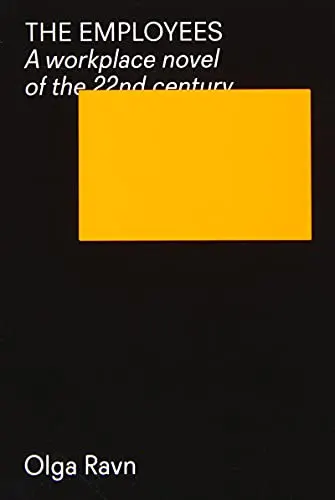
Ravn takes the collective voice that made Then We Came to the End so uncanny and strips it to its haunting essence. Her brief novel consists of statements from the human and humanoid crew of a spacecraft, gathered during an institutional inquiry. Gradually, individual testimony becomes a chorus asking who is permitted to desire, grieve, remember, or count as a person.
Shortlisted for the International Booker Prize, The Employees is cool, compressed, and strangely moving. Its fragments give bureaucratic language a poetic charge, while its workers’ attachment to mysterious objects reveals everything their employer cannot measure. Ferris finds humanity behind cubicle partitions; Ravn finds it inside the machinery of an entire system. Few novels this short open such an immense emotional space.