Author
Books like John Scalzi
3 books we recommend to John Scalzi readers, drawn from Redshirts — each with the reason why.
If you loved Redshirts
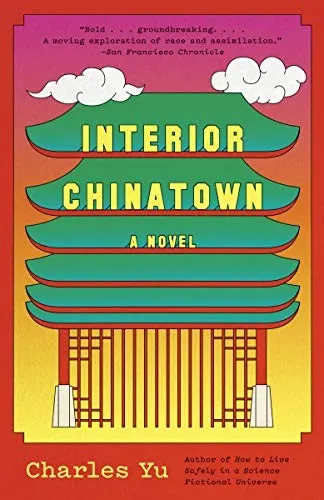
Willis Wu is perpetually cast as “Generic Asian Man,” dreaming of promotion to “Kung Fu Guy.” Written partly as a screenplay, the novel makes social hierarchy feel like casting: some people receive inner lives and heroic arcs, while others remain scenery.
That premise will feel electrically familiar to a Redshirts reader, but Yu takes it somewhere distinct, using formal comedy to expose who is permitted to be a protagonist. The jokes gradually acquire anger, tenderness, and moral force without becoming less ingenious. Its 2020 National Book Award was richly deserved: this is metafiction with consequences, and one of the sharpest novels ever written about escaping the role somebody else assigned you.
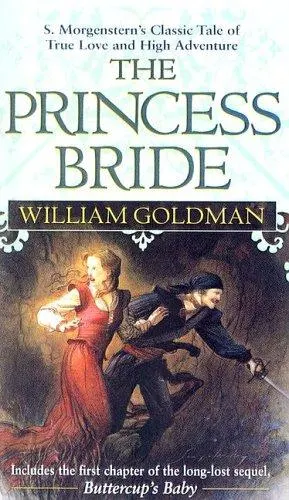
Goldman presents the novel as his abridgment of a supposedly much longer classic by the fictional S. Morgenstern, interrupting the adventure with editorial complaints, family memories, dubious scholarship, and arguments about what stories ought to contain. Like Scalzi, he treats narrative conventions as both irresistible toys and traps worth dismantling.
What makes the book endure is not merely its virtuoso comedy. Beneath the wisecracks and deliberate artifice lies an unabashed belief in courage, loyalty, romance, and the need for a good story—even while the narrator keeps questioning whether such stories can be trusted. The beloved film captures the adventure, but the novel is stranger, more intimate, and more audacious; skipping it means missing half of Goldman's finest joke.
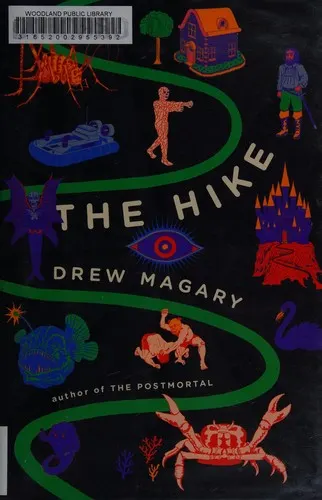
Ben, an ordinary suburban father away on a business trip, takes a short walk behind his hotel and discovers that the path does not obey the world he knows. From there, Magary writes with the ruthless logic of a storyteller inventing rules faster than his protagonist can understand them.
A Redshirts fan will recognize the particular exhilaration of watching someone argue with the genre that has swallowed him. The comedy is blunt, bizarre, and fast, yet Ben never becomes merely a delivery system for cleverness: his bewilderment, resentment, endurance, and longing keep the absurdity human. Few novels pivot so confidently from “what deranged thing will happen next?” to genuine emotional weight. Its final effect makes the whole delirious journey feel necessary.