Author
Books like John Kennedy Toole
3 books we recommend to John Kennedy Toole readers, drawn from A Confederacy of Dunces — each with the reason why.
If you loved A Confederacy of Dunces
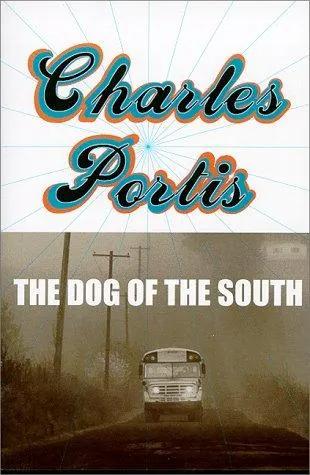
Ray Midge discovers that his wife has fled with another man—and his credit card—so he sets off after them, narrating the pursuit with obsessive, misplaced precision. Like Ignatius, Ray is funniest when treating his private fixations as universal principles; every motel, bus ride, and dubious acquaintance becomes material for an eccentric philosophy.
Portis’s sentences are quieter than Toole’s but just as exact: deadpan lines accumulate until the whole journey seems magnificently unhinged. Long cherished as a cult masterpiece by writers and devoted rereaders, this may be the closest match for anyone who wants another comic novel whose peculiar voice becomes irresistible company.
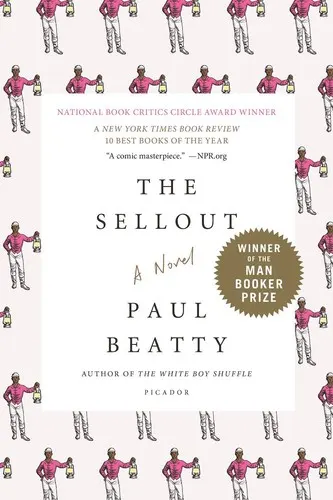
Beatty’s narrator begins his story before the Supreme Court, accused of crimes so outrageous that the novel must work backward to explain them. What follows is a barrage of jokes, arguments, provocations, and dizzying reversals about race and American self-deception.
A lover of Toole will recognize the pleasure of watching dazzling rhetoric collide with humiliating reality. But Beatty’s comedy is faster, riskier, and more politically ferocious: nearly every joke opens another trapdoor beneath the reader. The first American novel to win the Booker Prize, The Sellout earned that distinction without sanding down any of its dangerous originality.
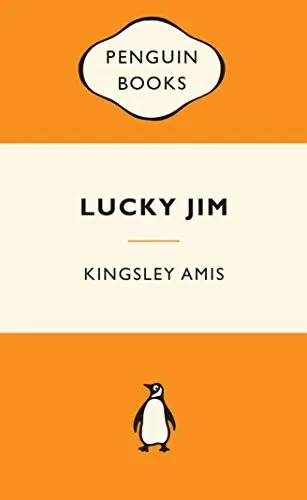
Jim Dixon is a junior lecturer who loathes academic life but lacks the courage, status, and self-command to escape it. His resentments leak out through grotesque private faces, ill-judged deceptions, and increasingly precarious encounters with his pompous superiors.
Where Toole builds a teeming civic carnival, Amis constructs a beautifully engineered social disaster. The kinship lies in the savage ear for pretension and the comedy of a man whose inner commentary is far more heroic than his behavior. Lucky Jim became one of the defining British comic novels of the twentieth century because its set pieces are unforgettable—but its enduring sting comes from how accurately it captures intelligence curdled by boredom, envy, and fear.