Author
Books like Jen Beagin
3 books we recommend to Jen Beagin readers, drawn from Big Swiss — each with the reason why.
If you loved Big Swiss

Like Beagin, July writes middle-aged female desire not as a tasteful awakening but as a rogue force. An artist and mother sets out on a cross-country drive, only to stop almost immediately and begin remaking her life inside a motel room. From there, the novel becomes an exhilarating study of appetite, embodiment, marriage, and creative panic.
July’s humiliatingly precise comedy—about décor, bodily maintenance, fantasy, and erotic bargaining—lets us see through the narrator’s self-deceptions without making her contemptible. A National Book Award finalist that inspired unusually fervent recognition among readers, All Fours articulates upheavals many novels politely evade. If Greta’s combination of brazenness and vulnerability thrilled you, July’s novel feels like the next dare.
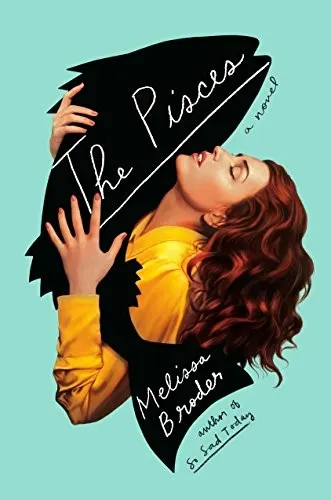
Lucy arrives in Venice Beach after a breakup, nominally to house-sit and revive her stalled dissertation on Sappho. Instead, she enters group therapy and plunges deeper into the cravings she can explain brilliantly but cannot control. Then Broder pushes desire beyond dignity—and beyond realism.
The outrageous premise is never merely a gag. Broder uses it to expose the fantasies people build around sex, rescue, and emotional completion. Her narrator is erudite, needy, explicit, self-aware, and still helpless before her own compulsions: a combination Big Swiss readers will recognize immediately. This Women’s Prize-longlisted cult favorite is fearless about how funny abasement can be, right up until the laughter catches in your throat.
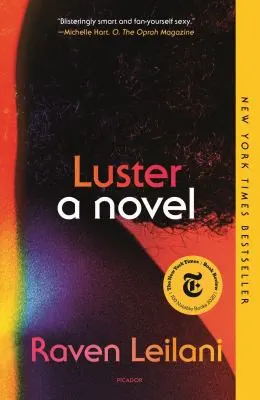
Edie, a young publishing employee and frustrated painter, begins an affair with an older white man in an open marriage and is soon pulled into the orbit of his wife and their adopted Black daughter. Every relationship involves unequal power, but Edie is far too perceptive—and too hungry—to fit neatly into the role of victim.
Where Beagin is dry and deadpan, Leilani writes in flashing, high-voltage sentences. Her comedy comes from Edie’s ruthless observation of money, race, work, sex, and her own capacity for humiliation. The Kirkus Prize-winning debut became a sensation because it made precarity feel intellectually alive rather than merely bleak. Its women watch, use, need, and unexpectedly recognize one another; the resulting intimacy is as uncomfortable and magnetic as anything in Big Swiss.