Author
Books like Jane Rule
3 books we recommend to Jane Rule readers, drawn from Desert of the Heart — each with the reason why.
If you loved Desert of the Heart
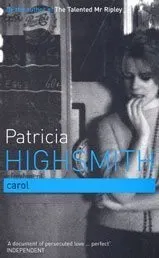
Like Desert of the Heart, Highsmith’s landmark novel lets attraction emerge through watchfulness, hesitation, and precisely observed gestures. Therese, an aspiring stage designer working in a department store, meets the poised, older Carol and discovers that desire can reorganize one’s sense of what a life might be.
First published pseudonymously in 1952, the novel became beloved because it rejected the compulsory ruin then imposed on lesbian characters. Highsmith brings the same cool intelligence to longing that she brought to suspense: every conversation carries risk, and every ordinary choice feels charged. If Rule’s refusal of melodrama moved you, this earlier, quietly revolutionary love story is indispensable.
Jane Rule treats love not as an isolated affair but as part of a woman’s moral and intellectual life; May Sarton does the same for artistic creation. When two interviewers visit the celebrated elderly poet Hilary Stevens, their questions lead her to consider the women who awakened and sustained her imagination.
Published in 1965, only a year after Desert of the Heart, Sarton’s novel was daringly candid about lesbian experience without reducing its protagonist to either victim or emblem. Its pleasures are contemplative: lucid conversation, remembered intimacy, and a formidable older woman taking stock of the life she made. Readers who cherish Rule’s maturity and seriousness will find here a companion novel of unusual wisdom.

Where Rule places two women against the moral emptiness of Reno’s casinos, Miller asks an equally urgent question: what must women build when the existing world offers them no habitable future? In early-nineteenth-century New England, the educated Patience and the defiantly practical Sarah begin imagining a life governed by their own work, affections, and judgment.
Miller’s spare, tender novel became a foundational lesbian classic after its initial self-publication and received the American Library Association’s first Gay Book Award. Its historical setting never turns the lovers into curiosities; they are difficult, capable people negotiating fear, class, faith, and independence. The book’s hard-won hope has inspired fierce reader devotion—and carries the same liberating conviction as Rule’s novel: choosing love can also mean choosing the shape of one’s life.