Author
Books like James Leslie Mitchell
3 books we recommend to James Leslie Mitchell readers, drawn from Sunset Song — each with the reason why.
If you loved Sunset Song
Martha Ironside, a gifted girl from rural northeast Scotland, is pulled between the life her community understands and the larger intellectual world opened by education. Like Chris Guthrie, she is not simply trying to escape: her divided loyalties are the substance of who she is.
Shepherd gives village life both intimacy and teeth. Her Doric dialogue is wonderfully alive, while her treatment of poverty, family obligation and female ambition refuses picturesque consolation. Readers who know Shepherd chiefly through The Living Mountain often discover in this early novel the same exact attention to landscape, now joined to a shrewd social intelligence. It is perhaps the closest literary cousin to Sunset Song—not an imitation, but another fiercely intelligent account of a Scottish woman becoming herself without ceasing to belong.
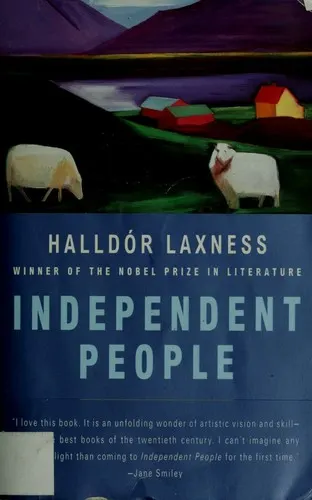
Bjartur of Summerhouses begins the novel determined to own his patch of ground and owe nothing to anyone. From that premise Laxness creates a magnificent argument about whether independence is dignity, delusion or both.
What will grip a Sunset Song reader is the double vision: the land inspires almost sacred feeling, yet life upon it can be crushing; hardship is tragic, yet human vanity remains darkly funny. Laxness moves between saga-like grandeur, savage irony and passages of startling tenderness without sentimentalising poverty. This Nobel laureate’s acknowledged masterpiece enlarges the moral question behind Gibbon’s novel until it feels elemental: what if the strength that lets people endure is also what destroys their happiness?
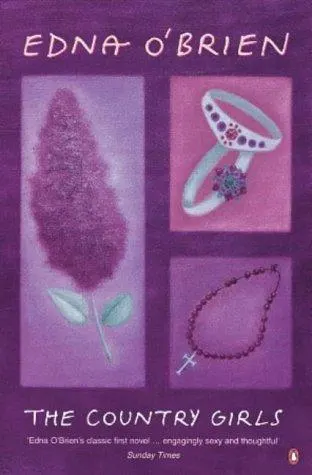
Caithleen Brady and her unruly friend Baba grow up in an Irish world of family fear, religious authority, gossip and closely guarded female respectability. O’Brien writes from inside a young woman’s hunger for experience, catching the mixture of shame, excitement, calculation and hope that accompanies every attempt at freedom.
The kinship with Sunset Song lies especially in its unsentimental sympathy. Caithleen is vulnerable but never reduced to victimhood, while Baba’s irreverence punctures every piety around them. The prose can be luminous one moment and brutally plain the next. Famously banned in Ireland and publicly burned on publication, the novel became a landmark of modern Irish women’s writing because it voiced desires that respectable culture preferred to deny. If Chris Guthrie’s inward independence mattered to you, Caithleen’s will feel impossible to abandon.