Author
Books like James Fenimore Cooper
3 books we recommend to James Fenimore Cooper readers, drawn from The Last of the Mohicans — each with the reason why.
If you loved The Last of the Mohicans
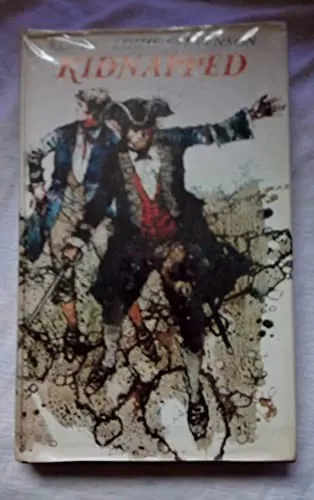
Few novels match Cooper’s ability to turn contested history into headlong adventure. Young David Balfour’s journey quickly becomes an ordeal of abduction, escape, political suspicion, and flight across the Scottish Highlands. Stevenson’s landscapes are never mere scenery: bog, mountain, and sea continually test character and allegiance.
The novel’s deepest pleasure is David’s uneasy friendship with Alan Breck, a charismatic Jacobite whose courage, vanity, recklessness, and loyalty make him a worthy counterpart to Hawkeye. Their bond crosses political and temperamental divisions without dissolving them. Long established as one of the supreme adventure novels in English, Kidnapped has Cooper’s speed and romance, but also his awareness that heroism is inseparable from a defeated people’s memory.
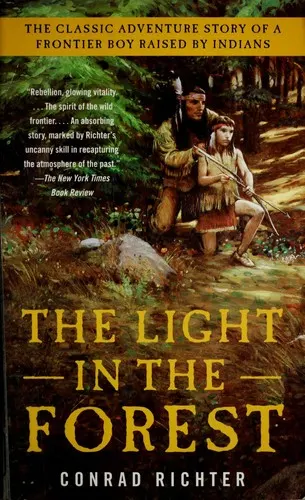
Richter takes the divided cultural loyalties surrounding Uncas and brings them painfully inside one person. True Son, a white boy raised by the Lenape, is compelled to return to the settler family he barely remembers. To them he is a recovered child; to himself he is being torn from his home and delivered to strangers.
Written with austere force, this enduring American classic refuses to treat identity as blood, costume, or sentiment. Every meal, gesture, and family encounter exposes incompatible ideas of kinship, freedom, and civilization. Readers moved by Cooper’s sympathy for a threatened Indigenous world will find here a more intimate and psychologically relentless tragedy—brief enough to read quickly, powerful enough to remain unsettling for years.

For the reader who loves Cooper above all as a born storyteller, The Long Ships is indispensable. Orm, a cautious young Scandinavian with an inconvenient fear of blood, is swept into Viking voyages filled with battles, escapes, feasts, rival kings, and sudden reversals. Bengtsson tells it all with magnificent momentum and a dry humor that makes danger more vivid rather than less serious.
Beneath the exuberance lies the same fascination with friendship, personal codes, and life during a great historical transition. Pagan custom and Christianity collide not as abstractions but in loyalties, bargains, marriages, and acts of courage. A beloved Swedish classic with a devoted English-language following, it offers the rare pleasure of a long novel that feels too short: an entire vanished world made immediate through unforgettable company.