Author
Books like James Ellroy
3 books we recommend to James Ellroy readers, drawn from American Tabloid — each with the reason why.
If you loved American Tabloid
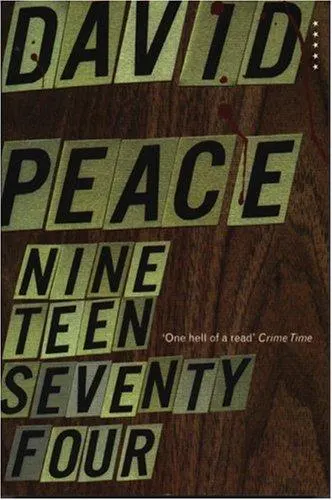
Peace’s first Red Riding novel begins with reporter Eddie Dunford investigating a child’s disappearance in Yorkshire, then locks the reader inside a world where police, press, business, and organized crime form one diseased organism.
The kinship lies above all in the language: repetitive, jagged, incantatory prose that turns paranoia into rhythm. Peace is less swaggering than Ellroy and more nightmarish; facts dissolve into obsession, and violence seems embedded in the landscape itself. Now a cult landmark of British noir, Nineteen Seventy-Four delivers the same exhilarating sense that corruption is not a flaw in the system but the system’s native condition.
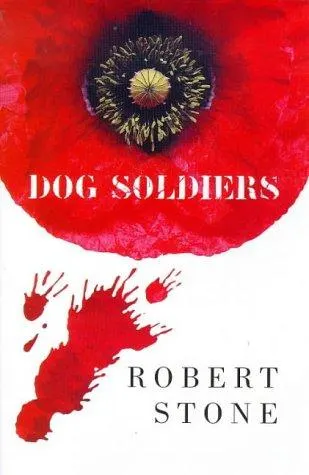
In Saigon during the collapsing idealism of the Vietnam era, journalist John Converse makes one profoundly reckless decision involving a shipment of heroin. From that poisoned seed, Stone builds a hard, relentless novel about Americans who have mistaken cynicism for wisdom and danger for freedom.
Dog Soldiers won the National Book Award, but it has none of the decorum that honor might suggest. Its characters are compromised, frightened, mordantly funny, and capable of sudden brutality; its America is spiritually exhausted long before anyone admits defeat. Where Ellroy gives political corruption the velocity of pulp, Stone gives moral collapse the tension of a manhunt. It is one of the essential novels of postwar American disillusionment—and it still feels dangerous.
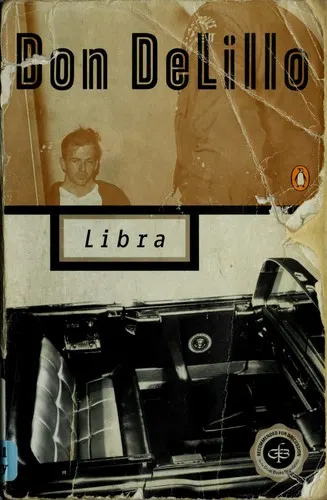
DeLillo approaches the Kennedy assassination from the opposite direction to Ellroy: not as a brutally lucid power game, but as a labyrinth in which lonely people, secret plans, accidents, and fantasies begin shaping one another. Lee Harvey Oswald stands at its center, yearning to enter history even as history becomes impossible to control.
Libra is quieter than American Tabloid, yet equally fascinated by the private appetites behind public catastrophe. DeLillo makes conspiracy feel less like a hidden answer than a distinctly American form of storytelling—a way to force chaos into pattern. One of his defining novels, it possesses the rare authority to make familiar history strange again. Reading it after Ellroy is like seeing the same national nightmare through smoked glass rather than a gunsight.