Author
Books like Jamaica Kincaid
5 books we recommend to Jamaica Kincaid readers, drawn from Lucy and Annie John — each with the reason why.
If you loved Lucy
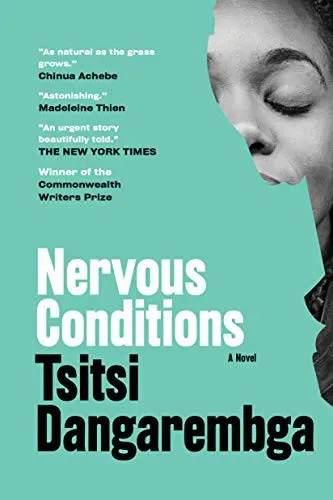
Tambu, growing up in colonial Rhodesia, understands that education may be both her escape and the means by which she is taught to despise her own world. Like Lucy, she watches power operate through language, manners, family obligation, and supposedly benevolent opportunities.
Dangarembga’s celebrated debut is less aphoristically volcanic than Kincaid’s novel, but equally alert to the costs of becoming “independent.” Its women respond differently to the traps around them—through ambition, compliance, rebellion, and breakdown—and none is reduced to a lesson. Winner of the Commonwealth Writers’ Prize, it remains a foundational African novel because its intelligence feels lived rather than declared. Lucy’s admirers will recognize its most unsettling question: what if liberation changes you into someone you cannot wholly trust?
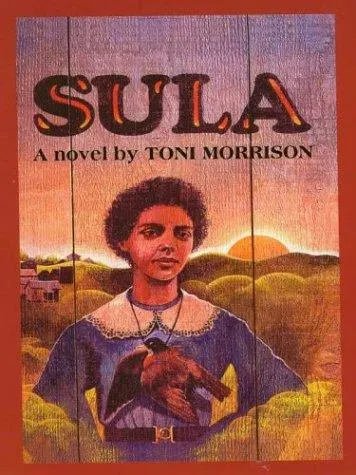
Read Sula for another heroine who refuses to make herself agreeable enough to be forgiven. Morrison’s fiercely self-defining Sula rejects the approved female life, while her childhood friend Nel chooses belonging and respectability; the force of the novel lies in how completely each woman exposes the other’s compromises.
The kinship with Lucy is not merely rebelliousness. Both books examine the loneliness, exhilaration, and collateral damage of treating one’s life as one’s own. Morrison’s compact novel—now one of the most passionately read works in American literature—moves with the density of myth yet remains sensuous, funny, and intimate. Its sentences cut, but its judgments never settle comfortably. Anyone drawn to Lucy’s dangerous honesty should experience Sula’s.
Duras’s Goncourt-winning novel has Lucy’s rare combination of cool retrospection and bodily immediacy. Its young narrator, growing up in French colonial Indochina, enters an affair while observing money, race, desire, and family humiliation with unnerving composure. She does not ask the reader to approve of her; she insists on controlling the image.
Where Kincaid writes in lucid, accusatory currents, Duras uses fragments, repetitions, and charged silences. Yet both narrators turn memory into self-invention, especially memories of mothers whose love is tangled with domination and need. The Lover is brief enough to read at a sitting and strange enough to haunt years of rereading. To miss it is to miss one of the twentieth century’s most influential demonstrations of how a woman can seize authorship of the story that once confined her.
If you loved Annie John
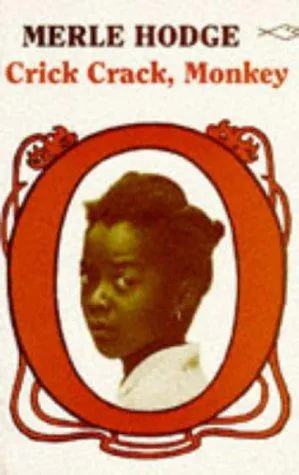
Tee grows up pulled between two forms of love, language, and selfhood: the vivid Creole world of one aunt and the colonial respectability enforced by another. What connects this landmark Caribbean novel to Annie John is not simply geography but its understanding that education can estrange a child from her own perceptions. Schoolroom English, manners, books, and shame quietly teach Tee to distrust what she once loved.
Hodge’s prose moves between the child’s immediacy and the adult’s recognition of what was being lost. Published in 1970, it became a foundational Caribbean coming-of-age novel because it renders colonialism at its most intimate: inside a girl’s vocabulary, imagination, and loyalties. Anyone haunted by Annie’s divided consciousness should consider this indispensable.
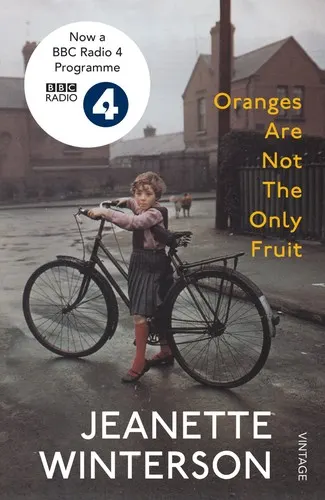
Winterson’s Jean is raised by a formidable Pentecostal mother who intends her for missionary greatness. Their bond, like Annie’s with her mother, is built from adoration, instruction, possession, and the terrifying discovery that a daughter may have desires her mother cannot absorb. Love becomes a contest over who gets to narrate the child’s life.
But this Whitbread Prize-winning first novel is no solemn case history. Winterson splices the coming-of-age story with sermons, fairy tales, jokes, and biblical transformations, giving Jean’s resistance a buoyant imaginative force. Readers who loved Kincaid’s ability to make maternal conflict at once funny, cruel, and mythic will find a different but equally indelible voice here—one that turns disobedience into an art form.