Author
Books like Italo Svevo
3 books we recommend to Italo Svevo readers, drawn from Zeno's Conscience — each with the reason why.
If you loved Zeno's Conscience
Brás Cubas writes his memoirs from beyond the grave, liberated from any need to appear virtuous. What follows is brisk, fragmented, intimate, and gloriously untrustworthy: he needles the reader, edits his own importance, and converts a largely unremarkable life into a masterpiece of vanity.
Like Zeno, Brás is most revealing when he believes he is controlling the story. Machado’s tiny chapters and audacious interruptions make the novel feel startlingly modern, though it appeared in 1881. Long recognized as a summit of Brazilian literature, it offers the same rare combination of formal play, moral intelligence, and inexhaustible comic selfishness. Missing it would mean missing one of Zeno’s closest—and funniest—literary ancestors.
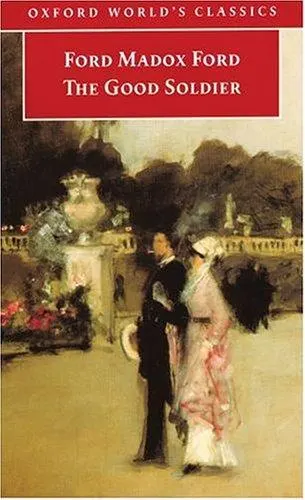
John Dowell begins by promising the story of two apparently respectable couples. Yet chronology buckles, judgments reverse, and casual remarks return with devastating new meanings. He does not simply deceive the reader: he seems unable to decide how much he knows, when he knew it, or what his knowledge says about him.
Where Svevo makes self-deception buoyantly comic, Ford makes it haunting. The kinship lies in the experience of reading between a narrator’s sentences, detecting the emotional reality he cannot—or will not—state. Frequently named among the great modernist novels, The Good Soldier earns that reputation through extraordinary control: its confusions are precise, its repetitions cumulative, and its final effect far larger than its modest length suggests.
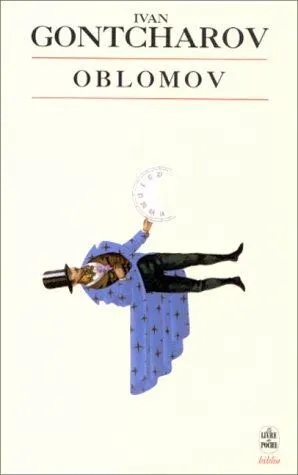
At the novel’s opening, Ilya Ilyich Oblomov is still in bed, besieged by callers and unable to deal with a letter, a move, or the day itself. Goncharov turns this apparent joke into an immensely tender inquiry: what if indolence is not merely laziness, but a whole system of dreams, fears, ideals, and exquisitely persuasive excuses?
A reader who loves Zeno’s endlessly postponed resolutions will recognize Oblomov’s ability to make inaction feel both ridiculous and reasonable. But Goncharov never reduces him to a diagnosis. The character is so complete that “Oblomovism” entered Russian cultural vocabulary, while generations of readers have remained divided between exasperation and affection. Few novels understand so well the seductive distance between imagining a life and living one.