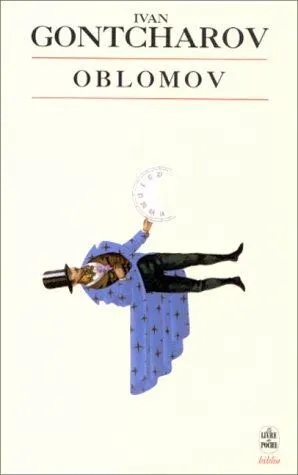
Books like Oblomov
Where Zeno’s Conscience makes chronic irresolution hilariously talkative, The Tartar Steppe renders it nearly silent and haunting; The Towers of Trebizond adds the spiritual comedy of knowing exactly what should change and remaining magnificently unable to change it.
If you liked Oblomov, you’ll love these
Not lookalikes — kindred books. Each one shares something essential with Oblomov, and we tell you exactly what.
Zeno Cosini is Oblomov’s great modernist cousin: intelligent, comfortable, endlessly self-excusing, and always preparing to become a different man tomorrow. Writing a memoir for his psychoanalyst, he turns his inability to stop smoking—or to act cleanly in love and business—into elaborate theories that are both absurd and disconcertingly plausible.
Svevo preserves Goncharov’s rare balance of satire and sympathy. Zeno’s weakness is comic, yet his evasions reveal how readily anyone can mistake self-analysis for self-knowledge. Championed by James Joyce and now regarded as a modernist masterpiece, the novel makes procrastination intellectually exhilarating. Anyone who delighted in Oblomov’s arguments for remaining on the sofa should hear Zeno argue his case.
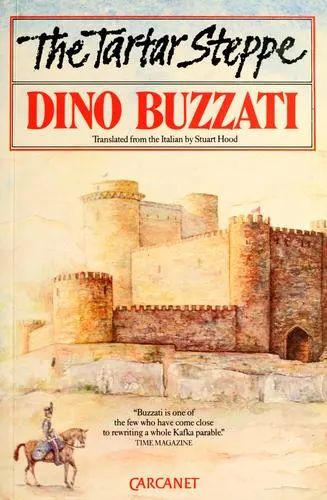
A young officer, Giovanni Drogo, arrives at a remote fortress intending to arrange a quick transfer. The place offers little except routine, rumors, and the distant possibility that something important may one day happen. Almost imperceptibly, waiting begins to feel like a purpose.
Buzzati strips away Oblomov’s domestic comedy and exposes the dread inside postponement: the suspicion that life is always about to begin elsewhere. His lucid, dreamlike prose makes empty corridors, repeated duties, and the horizon itself feel charged with fate. This Italian classic has retained a devoted international readership because it converts a common private fear into an unforgettable landscape. It is the darker book hidden inside Oblomov’s dressing gown.
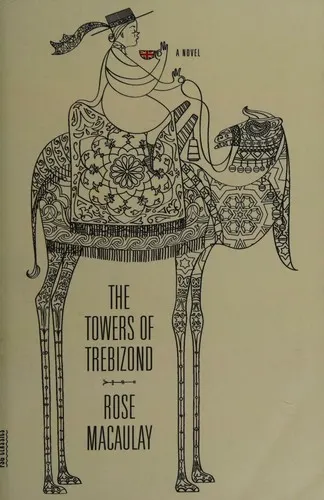
Rose Macaulay’s narrator travels through Turkey with an eccentric aunt who hopes to emancipate local women, an Anglican clergyman absorbed by lost Christian worlds, and a camel. Beneath the brilliant travel comedy lies a painful moral stalemate: the narrator understands the demands of faith and love but cannot—or will not—reorder her life accordingly.
That tension will be instantly recognizable to an admirer of Oblomov. Macaulay treats inconsistency neither as a defect to diagnose nor as a joke to exhaust, but as the condition in which a person may live for years. Her wit is airborne, her melancholy stealthy, and her landscapes shimmer with longed-for alternatives. Winner of the James Tait Black Memorial Prize, this singular novel inspires fierce affection: few books are so funny about self-deception while taking the soul’s divided loyalties so seriously.