Author
Books like Hiroko Oyamada
3 books we recommend to Hiroko Oyamada readers, drawn from The Factory — each with the reason why.
If you loved The Factory
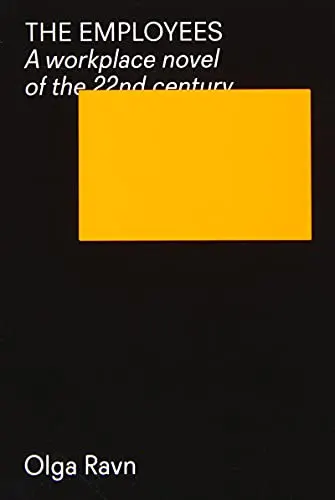
On a corporate spaceship, human and humanoid workers give brief statements about their duties, colleagues, and some mysterious objects brought aboard. Like Oyamada, Ravn understands that workplace language can be eerier than overt menace: managerial questions flatten wonder, grief, and desire into matters of productivity.
Shortlisted for the International Booker Prize, this slim, formally daring novel makes alienation literal without reducing it to an allegory. Its accumulating testimonies are funny, sensuous, and unexpectedly moving. If The Factory left you fascinated by people adapting to an institution whose purpose they cannot quite grasp, The Employees is indispensable.
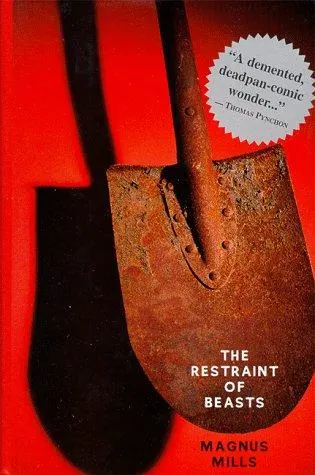
An unnamed foreman is charged with supervising two habitually uncooperative laborers on a fencing job in rural Scotland. From that modest setup, Magnus Mills creates a world governed by tea breaks, terse instructions, botched work, and a logic that becomes more disturbing precisely because nobody questions it.
This Booker-shortlisted cult novel shares Oyamada’s rare tonal trick: the prose remains impeccably calm while reality slips out of alignment. Mills’s repetitions turn manual labor into ritual, and his deadpan comedy keeps acquiring darker undertones. Few novels capture so well the absurd obedience through which a job becomes an entire moral universe.
A man’s wife is collected by an ambulance despite not being ill, so he enters the enormous hospital that has swallowed her and tries to navigate its departments, recordings, rules, and elusive authorities. The institution feels less like a setting than a self-sustaining organism.
Abe, one of Japan’s great modernist novelists, is an essential precursor to Oyamada’s blend of bureaucratic exactness and dream logic. His corridors keep opening onto stranger forms of surveillance and classification, yet his clean, controlled prose never signals where the ordinary ends. Readers who loved the factory’s impossible scale and ecological uncanniness will recognize the sensation—and discover it pushed to a uniquely feverish extreme.