Author
Books like Harriet Beecher Stowe
3 books we recommend to Harriet Beecher Stowe readers, drawn from Uncle Tom's Cabin — each with the reason why.
If you loved Uncle Tom's Cabin
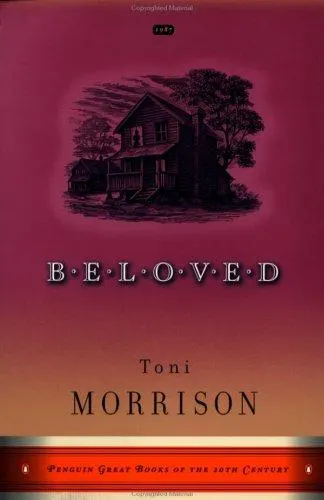
Where Stowe turns the threatened family into an indictment of slavery, Morrison shows how enslavement continues to inhabit a family even after escape. Sethe’s home is haunted from the opening pages, and that haunting makes history feel intimate, bodily, and inescapably present.
Winner of the Pulitzer Prize and now a cornerstone of American literature, Beloved brings extraordinary psychological depth to the moral questions that animate Uncle Tom’s Cabin: what can love endure, what can it demand, and what does freedom mean after systematic dehumanization? Its lyric beauty and emotional force make it indispensable.
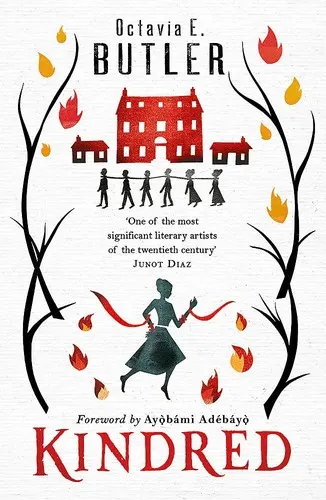
Butler shares Stowe’s gift for turning moral witness into compulsive storytelling. Dana, a Black writer living in 1970s California, is abruptly pulled into antebellum Maryland, where survival requires choices that become more compromising and dangerous with every return.
Kindred makes slavery impossible to contemplate from a safe historical distance. Its plain, swift prose keeps the pressure relentless, while Dana’s tangled dependence on people she cannot simply dismiss exposes how power corrupts intimacy itself. Butler’s most widely read novel has become a modern classic because it is both intellectually unsettling and almost impossible to put down.

A rural priest travels to Johannesburg after receiving alarming news about his family, entering a city fractured by racial injustice, poverty, and fear. Paton writes with biblical cadence and the same conviction found in Stowe: that political evil must be understood through the suffering of particular parents, children, and homes.
Published in 1948 as apartheid was taking formal shape, the novel became an international success and remains one of South Africa’s defining works. Its Christianity is neither decorative nor easy; mercy must contend with rage, guilt, and entrenched injustice. Readers moved by Stowe’s union of faith, sorrow, and reformist urgency should not miss its grave, luminous power.