Author
Books like Graeme Macrae Burnet
3 books we recommend to Graeme Macrae Burnet readers, drawn from His Bloody Project — each with the reason why.
If you loved His Bloody Project
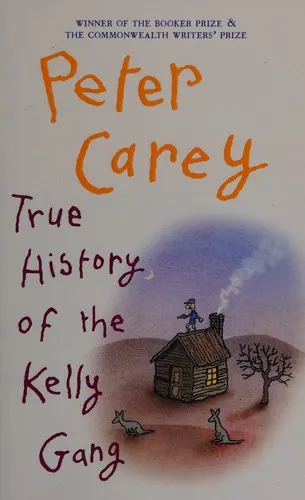
Ned Kelly tells his own story in a headlong, unpunctuated vernacular that feels not artfully reconstructed but seized directly from a desperate man. As with Roderick Macrae’s account, the voice is compelling enough to create intimacy yet self-serving enough to keep judgment unstable. Poverty, humiliation, family loyalty, and institutional violence steadily complicate the official label of “criminal.”
Carey’s Booker Prize winner is one of the great feats of invented historical testimony: raw, funny, furious, and formally exact. It gives you the rare pleasure His Bloody Project provides—watching a supposedly marginal man wrench authorship of his life away from the authorities who will define him.
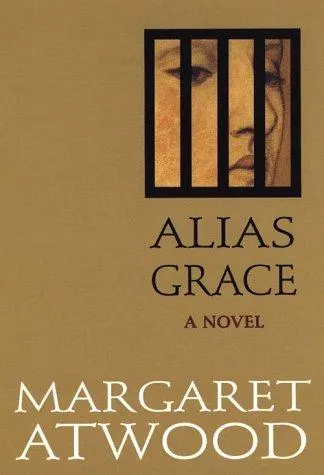
Grace Marks, imprisoned for her alleged part in a notorious nineteenth-century Canadian murder, is surrounded by people determined to interpret her: doctors, lawyers, reformers, employers, journalists. She answers them with a voice at once candid, observant, guarded, and impossible to possess. Documents and competing narratives accumulate, but certainty recedes.
Atwood is especially brilliant on the politics of credibility—how class, sex, education, and respectability determine whose account becomes history. Winner of the Giller Prize and shortlisted for the Booker, Alias Grace has become a modern classic because its mystery is inseparable from its psychological and moral intelligence. If Burnet made you enjoy doubting every confident explanation, Grace will hold you enthralled.
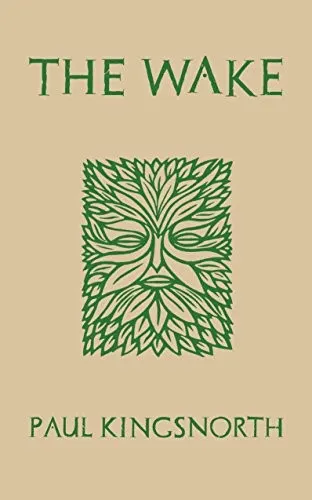
After the Norman invasion, a proud, angry English landowner named Buccmaster begins recounting the collapse of his world. Kingsnorth renders his voice in a specially devised language: strange at first, then hypnotically clear, as if modern English had been peeled back to expose something older and harsher underneath.
The kinship lies in the unnerving closeness to a man who is both a product of historical brutality and a dangerously unreliable interpreter of himself. His grievances may be real; his grandeur may not be. Booker-longlisted and winner of the Goldsmiths Prize, The Wake inspires unusual devotion because it does not merely depict the past—it traps you inside a past mind, where resentment, myth, and self-justification become indistinguishable. Few novels make history feel so immediate or so morally treacherous.