Author
Books like Giovanni Boccaccio
3 books we recommend to Giovanni Boccaccio readers, drawn from The Decameron — each with the reason why.
If you loved The Decameron
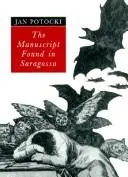
Potocki turns storytelling into an intoxicating labyrinth. A young officer crossing the Sierra Morena encounters corpses, cabbalists, bandits, seductive sisters, and strangers whose histories contain other histories, which open into still more tales. As in Boccaccio, narration is both entertainment and power: every storyteller delays judgment, rearranges appearances, and competes for control of the listener.
This eighteenth-century cult masterpiece is stranger and more structurally audacious than its Gothic trappings suggest—comic, erotic, philosophical, and perpetually unstable. Readers who loved watching Boccaccio make a whole society speak will relish a novel in which the world seems to exist because nobody can stop telling stories.
For Boccaccio’s shameless delight in lust, fraud, reversals of fortune, and social types, go to one of his great ancient ancestors. Lucius, a dangerously curious young man, is transformed into a donkey and passed through the hands of people whose private conduct gives the lie to their public respectability. His humiliating vantage point lets Apuleius survey human life from kitchens, bedrooms, roads, and robbers’ caves.
The only complete Latin novel to survive, it has influenced European storytelling for centuries, but it remains startlingly alive: indecent, cruel, suspenseful, and capable of sudden beauty. Its embedded tales—including the celebrated story of Cupid and Psyche—create the same pleasure of discovering that one narrative can contain an entire unruly world.
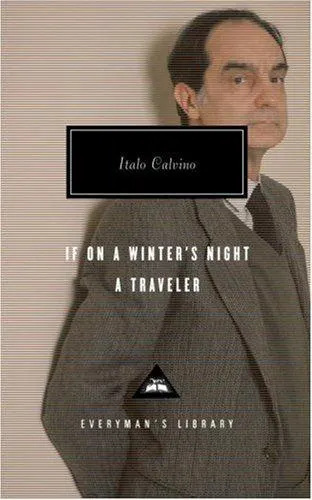
Calvino begins with you trying to read a novel called If on a winter’s night a traveler—and then makes the simple desire to hear the rest of a story into a dazzling comic adventure. Each interrupted opening belongs to a different kind of novel, while the search for continuation becomes its own tale of desire, interpretation, forgery, and literary mischief.
Where Potocki multiplies storytellers, Calvino concentrates on the reader’s hunger. His wit is cooler than Boccaccio’s, but just as alert to seduction: a story courts us, frustrates us, and keeps us obedient with promises. Widely regarded as one of Calvino’s defining achievements, this is not merely clever metafiction; it is a joyful demonstration that unfinished stories can make reading feel more urgent, intimate, and erotic than completion ever could.