Author
Books like Gerald Murnane
3 books we recommend to Gerald Murnane readers, drawn from The Plains — each with the reason why.
If you loved The Plains
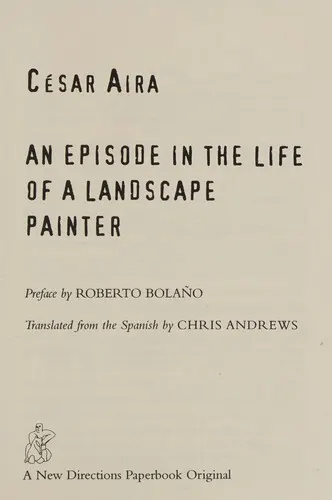
Johann Moritz Rugendas travels across Argentina intending to record its terrain according to a rigorous aesthetic system. Yet Aira is less interested in scenery than in the unstable machinery of perception: how an image can contain a philosophy, and how the act of looking alters what can be seen.
Like Murnane, Aira writes with deceptive clarity while quietly dissolving the border between physical country and inward design. This brief, strange novel—one of the most admired gateways into Aira’s enormous body of work—has the concentrated force of a dream remembered as an intellectual argument. Its landscapes will continue rearranging themselves in your mind long after its hundred-odd pages are over.
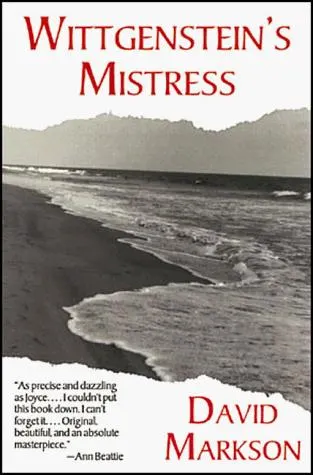
A woman who may be the last person alive writes down memories, corrections, conjectures, and fragments about art and history. Her statements circle back, contradict one another, and acquire meaning through recurrence: names and images become charged not by explanation but by their position inside an evolving private system.
That architecture of echoes should feel intimately familiar to a reader of The Plains. Markson likewise trusts repetition to do the work of plot and makes uncertainty emotionally exact. Yet beneath the novel’s cerebral play lies extraordinary loneliness—the desire to build a habitable world from remembered culture. A cult classic famously championed by David Foster Wallace, it is one of experimental fiction’s rare works in which formal ingenuity and heartbreak become indistinguishable.
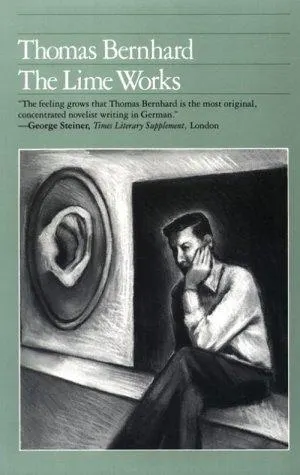
Konrad has withdrawn with his wife into an abandoned lime works, where he intends to complete a definitive study of hearing. The study is perpetually prepared for and perpetually unwritten; what reaches us comes through obsessive, disputed reports that turn explanation into another layer of obscurity.
Bernhard shares Murnane’s fascination with the impossible masterwork: the project whose failure may be its truest form. His recursive prose is more savage and comic, tightening around grievance, ambition, and self-deception until thought itself feels architectural. The Lime Works helped establish Bernhard as one of postwar Europe’s singular novelists, and its remorseless momentum is unforgettable. Anyone captivated by the filmmaker’s elusive undertaking in The Plains should encounter Konrad’s magnificently doomed pursuit.