Author
Books like Gaston Leroux
3 books we recommend to Gaston Leroux readers, drawn from The Phantom of the Opera — each with the reason why.
If you loved The Phantom of the Opera
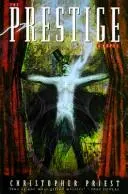
Two Victorian stage magicians pursue an escalating rivalry, each determined to discover and surpass the other’s greatest illusion. Priest gives you the same irresistible mixture of theater, secret mechanisms, hidden chambers and dangerous genius that powers The Phantom of the Opera—but he also makes the novel itself perform like a magic trick. Diaries, competing accounts and carefully planted clues continually alter what you think you have seen.
Winner of the World Fantasy Award, The Prestige is both a gripping mystery and a shrewd study of performers who sacrifice ordinary life to create wonder. If Leroux made you want to slip backstage and learn how enchantment is manufactured, Priest’s beautifully engineered novel is indispensable.
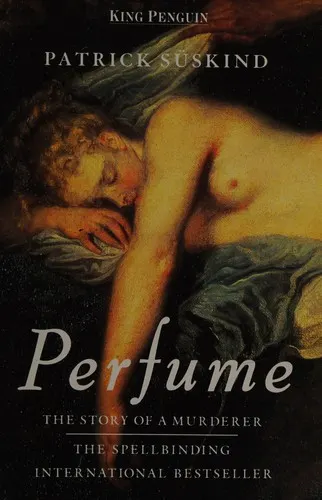
Jean-Baptiste Grenouille is born with no scent of his own but with an almost supernatural sense of smell. From that premise, Süskind builds an astonishing sensory world in which streets, bodies and emotions are apprehended through odor—and beauty becomes the fixation of a profoundly alien mind.
Like Erik, Grenouille is repellent, gifted and isolated, an artist whose mastery gives him frightening power over others. Süskind does not ask you to excuse him; he achieves the more unsettling feat of trapping you inside his pursuit of perfection. One of the great international literary successes to emerge from postwar Germany, Perfume has the narrative pull of a thriller and the strange, lingering force of a nightmare. Few novels make monstrous genius so seductive—or implicate the reader so completely in watching it work.
Forget the softened adaptations: Hugo’s novel is a vast, unruly Gothic tragedy about beauty, deformity, desire and the cruelty of spectators. Quasimodo is not merely a prototype for Leroux’s masked outcast. Both novels understand how a person treated as a monster may hunger desperately for tenderness, and how devotion can become inseparable from jealousy, shame and possession.
Hugo also makes architecture feel alive. Notre-Dame is sanctuary, prison, theater and witness, just as Leroux’s opera house becomes a world with its own secret anatomy. The novel’s imaginative power helped awaken public concern for the neglected cathedral, and its influence runs through later Gothic fiction—including the emotional territory Leroux claimed. It is more expansive and demanding than The Phantom of the Opera, but its grandeur, grotesquerie and pity make it the essential next step.