Author
Books like Gary Paulsen
3 books we recommend to Gary Paulsen readers, drawn from Hatchet — each with the reason why.
If you loved Hatchet

A woman staying at an Alpine hunting lodge wakes to find herself cut off from the world by an invisible barrier. With only a few animals for company, she must turn bewilderment into routine: planting, preserving food, caring for livestock, and reading the weather.
Like Hatchet, this cult classic understands that survival is built from repeated, unglamorous decisions. Haushofer makes practical work absorbing while exploring the strange clarity solitude can bring. It is quieter and more adult than Paulsen’s novel, but its unsentimental intimacy with hunger, fear, animals, and seasonal change makes it feel like Hatchet’s haunting older relative.
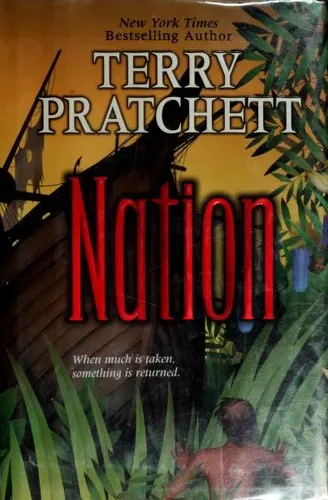
After a catastrophic wave, Mau returns to his island to find his world erased; nearby, an English girl named Daphne is stranded far from everything familiar. What follows begins with the same brutal necessity that drives Brian: stop panicking, assess what remains, and do the next useful thing.
Pratchett turns survival into rebuilding without losing the tactile satisfaction of ingenuity. Water must be found, food organized, shelter made—and inherited beliefs tested against reality. A Printz Honor book, Nation is funny, furious, and deeply moving: a story about grief converted into responsibility, and one of Pratchett’s most passionately admired novels.
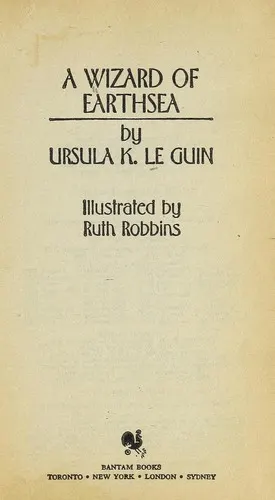
Ged’s dangers are magical, but his education resembles Brian’s. Talent is not enough; he must learn restraint, precise observation, and mastery of the fear inside him. Le Guin’s lean, elemental prose gives wind, sea, hunger, darkness, and silence the same weight Paulsen gives the Canadian woods.
This foundational fantasy avoids easy heroics. Its power comes from watching a gifted, frightened boy become capable through error, endurance, and honest self-knowledge. Readers who loved the moment Brian realizes that the person who entered the wilderness is not the person who will leave it should not miss Ged’s equally profound transformation.