Author
Books like Gary D. Schmidt
5 books we recommend to Gary D. Schmidt readers, drawn from The Wednesday Wars and Okay for Now — each with the reason why.
If you loved The Wednesday Wars

Kenny Watson narrates family life with an irresistible mixture of solemnity and comic exaggeration. His troublesome older brother, Byron, attracts disasters; his parents dispense discipline with theatrical flair; and the family car becomes the center of its own miniature mythology.
Like Holling, Kenny is funny partly because he does not yet understand everything he observes. Curtis lets domestic comedy and national history occupy the same world without cheapening either, showing how public events enter a child’s consciousness. This Newbery Honor novel has become a modern classroom classic because its warmth is genuine, its laughter abundant, and its emotional force unforgettable.
Sixth grader Merci Suárez attends a private school on scholarship, where money, friendship, and status create rules no one will explain to her. At home, she belongs to a lively Cuban American family whose love is dependable but whose behavior—especially her beloved grandfather Lolo’s recent changes—has begun to confuse her.
Medina captures the particular injustice of being treated as a child while adults withhold the information needed to make sense of things. Merci’s voice is observant, indignant, generous, and very funny; even characters who hurt her are allowed complexity. Winner of the Newbery Medal, the novel earns its tenderness without becoming sentimental. Anyone who loved Holling’s gradual discovery that other people have hidden lives should not miss Merci’s equally moving education in attention and empathy.
If you loved Okay for Now
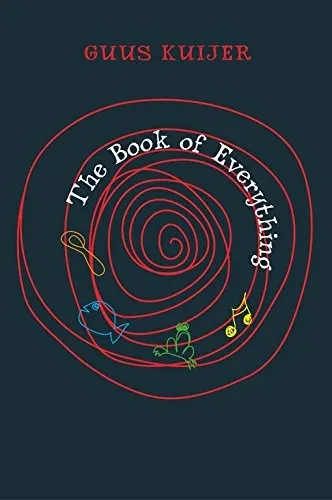
Nine-year-old Thomas sees tropical fish swimming through the streets of Amsterdam, but he also sees clearly the violence and fear governing his home. Like Doug, he narrates hardship with disarming comedy, and his resistance begins through books, imagination, and friendships with adults who take him seriously.
Kuijer, later awarded the Astrid Lindgren Memorial Award, writes with astonishing lightness about cruelty and courage. This very short novel contains more emotional truth than many books five times its length; its final effect is not bleakness but the exhilarating discovery that fear need not have the last word.
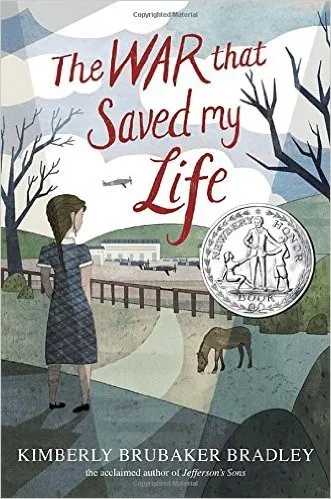
Ada has been taught by her abusive mother that her clubfoot makes her worthless. When wartime evacuation gives her a chance to leave London with her younger brother, she enters a world in which competence, affection, and freedom are imaginable—but not automatically easy to accept.
Readers who loved Doug’s gradual realization that other people may see value in him will recognize Ada’s fierce, suspicious hunger for dignity. Bradley never turns recovery into a sentimental makeover: progress comes through practical accomplishments, setbacks, anger, and trust painstakingly earned. A Newbery Honor book with a passionately loved sequel, it has the emotional force of a classic because it makes every small gain in Ada’s life feel enormous.
After thirteen-year-old Arthur hurls a brick at the neighborhood “Junk Man,” a judge gives him an unusual sentence: he must work for his victim, gathering seven apparently worthless materials. Arthur cannot understand the task—or the man—but the work slowly challenges what he thinks punishment, value, and art can mean.
This is the closest match to Okay for Now’s belief that art can reach a furious child before ordinary conversation can. Pearsall gives discarded objects the revelatory power Schmidt gives Audubon’s birds, while allowing Arthur’s anger and shame to remain complicated. The story draws inspiration from James Hampton’s extraordinary assemblage now held by the Smithsonian, lending its mystery a remarkable real-world resonance. Missing it would mean missing one of middle-grade fiction’s most moving accounts of how making and truly seeing can repair a life.