Author
Books like Frederick Exley
3 books we recommend to Frederick Exley readers, drawn from A Fan's Notes — each with the reason why.
If you loved A Fan's Notes
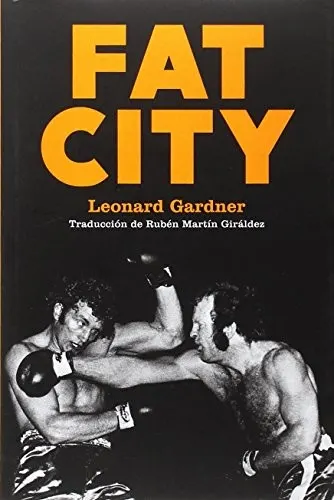
Gardner’s cult classic follows boxers at the frayed edge of ambition, where dreams survive long after the discipline needed to realize them. Like Exley, Gardner understands failure not as a dramatic fall but as a daily climate: cheap rooms, sore bodies, drinking, bad decisions, and brief surges of hope.
The prose could hardly be more different from Exley’s—lean and controlled rather than torrential—but it carries the same unsentimental compassion. Gardner neither romanticizes his damaged men nor condescends to them. Few American novels render the humiliations of wanting to matter with such physical precision. Fat City is short, nearly flawless, and cherished by writers for good reason: once read, its defeated strivers are difficult to forget.
Exley makes confession thrilling because his intelligence never rescues him from his appetites. Heller performs a similarly dangerous feat with Bob Slocum, a successful corporate man whose relentless monologue exposes the fear, resentment, vanity, and cowardice beneath his respectable life. He has achieved what Exley’s narrator cannot, yet success has left him no less trapped.
The novel’s repetitions become hypnotic: Slocum circles his anxieties, jokes about them, recognizes his evasions, then evades again. Its comedy is merciless, but its emotional force comes from how intimately Heller understands self-knowledge without self-command. Overshadowed by Catch-22 on publication, Something Happened has acquired a fiercely devoted readership and is often championed as Heller’s masterpiece. Anyone drawn to Exley’s willingness to make literature from the least flattering truths should experience this book’s astonishing nerve.
Binx Bolling moves through ordinary life as though it were less substantial than the movies he watches. His spectatorship is quieter and more elegant than Exley’s football worship, but it answers the same hunger: mediated experience seems vivid, while one’s own existence feels curiously unavailable.
Percy gives that estrangement a seductive voice—wry, observant, evasive, and unexpectedly funny. Binx’s philosophical language can elevate his malaise even as it helps him hide from it, much as Exley turns ruin into magnificent performance. Winner of the National Book Award and now an American classic, The Moviegoer earns its stature through intimacy rather than grandeur. It is the rare existential novel whose ideas arrive with the charm of confidences shared by an unusually perceptive friend.