Author
Books like Florence Marryat
3 books we recommend to Florence Marryat readers, drawn from The Blood of the Vampire — each with the reason why.
If you loved The Blood of the Vampire
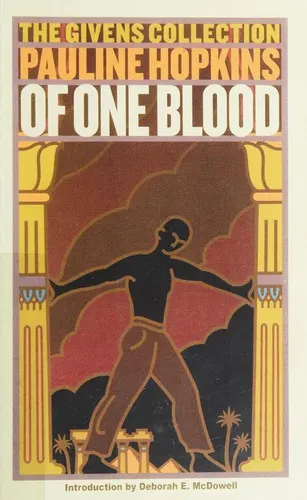
Hopkins likewise turns sensational fiction into an assault on supposedly objective ideas about race and heredity. Reuel Briggs, an impoverished medical student concealing his ancestry, enters a world where mesmerism, medicine, and the supernatural continually exchange masks. As in Marryat, scientific language does not dispel Gothic terror; it reveals how readily prejudice can disguise itself as knowledge.
First serialized in 1902–03, the novel is now recognized as a foundational work of Black speculative fiction. It has Marryat’s appetite for startling incident, but its historical imagination is larger and more openly defiant. Anyone fascinated by the colonial violence buried inside Harriet Brandt’s identity should not miss Hopkins’s audacious answer to the same poisoned inheritance.
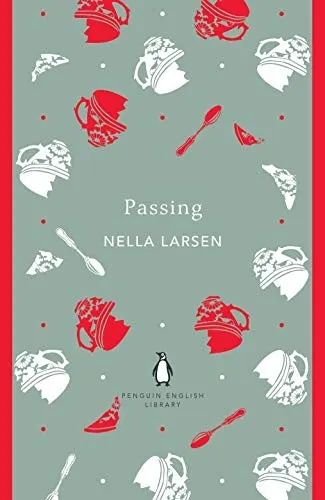
Larsen dispenses with the supernatural yet preserves Marryat’s most unsettling dynamic: a woman becomes dangerous because other people cannot stop interpreting her. When Irene Redfield encounters the magnetic Clare Kendry, every glance and polished conversation acquires a second, perilous meaning. Attraction, resentment, racial classification, and self-protection become almost impossible to separate.
Where Marryat is feverish and melodramatic, Larsen is cool, compressed, and devastatingly ambiguous. This Harlem Renaissance classic makes respectable social rooms feel as claustrophobic as Gothic chambers. A reader absorbed by Harriet’s charisma—and by the fear she awakens in those who desire her—will find Clare unforgettable.
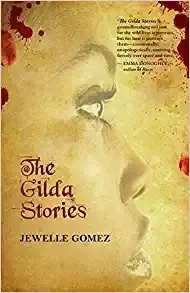
Gomez takes the figure of the racialized female vampire and radically changes its moral possibilities. Beginning with a girl escaping slavery and finding refuge among women, the novel asks what immortal hunger might look like when governed by consent, reciprocity, memory, and chosen kinship rather than predation.
That makes this Lambda Literary Award–winning classic of Black queer speculative fiction an exhilarating companion to Marryat. It does not evade the questions surrounding Harriet’s appetite; it imagines an entire ethics capable of answering them. Its century-spanning vision transforms vampirism from a sentence imposed upon an outsider into a way of considering survival, intimacy, and responsibility—and shows how much richer the myth can become.