Author
Books like Fazil Iskander
3 books we recommend to Fazil Iskander readers, drawn from Sandro of Chegem — each with the reason why.
If you loved Sandro of Chegem
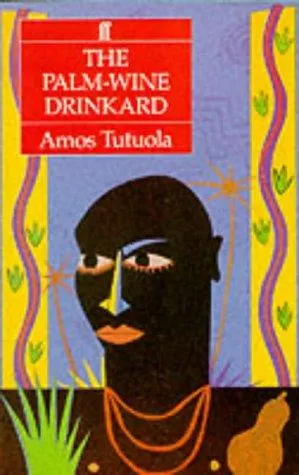
Tutuola’s narrator loses his indispensable palm-wine tapster and sets off toward the town of the dead. From there, the tale advances by the inexhaustible logic of oral storytelling: every encounter opens another trapdoor into wonder, terror, comedy, or proverbial wisdom.
Like Iskander, Tutuola preserves the sensation of listening to a story rather than merely reading one. His unconventional English—once controversial, later enormously influential—carries Yoruba narrative rhythms without sanding them into literary respectability. Dylan Thomas was among the book’s early admirers, but its lasting force lies in its unruly voice: a whole culture’s imagination refusing to behave according to imported rules. If Sandro’s tall tales felt truer than sober history, this strange, compact classic is essential.
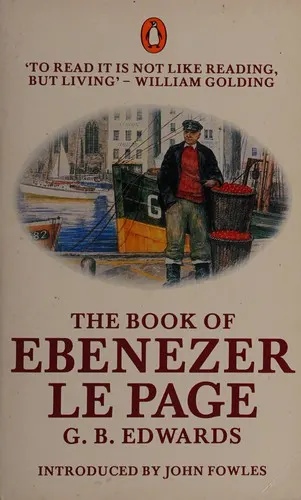
Ebenezer Le Page, an elderly Guernseyman, sets down his life in a voice at once cantankerous, tender, shrewd, vain, and irresistibly alive. He remembers quarrels, courtships, property, relatives, local scandals, and the slow alteration of his island—all with the conviction that the smallest village dispute deserves epic treatment.
The kinship with Uncle Sandro is wonderfully close. Both narrators turn local memory into a rival form of history, one richer and less obedient than the official record. Edwards also understands how comedy can deepen grief rather than cancel it: jokes preserve vanished people, and gossip becomes an archive of love. Published posthumously, championed by John Fowles, and sustained ever since by devoted word of mouth, this cult masterpiece inspires the peculiar affection usually reserved for an unforgettable person.
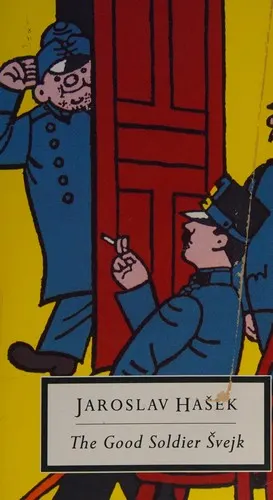
After the assassination of Archduke Franz Ferdinand, the cheerfully literal-minded Švejk is drawn into the machinery of the Austro-Hungarian state. Whether he is an idiot or a strategist is the novel’s magnificent running question. Orders, examinations, arrests, and military procedures collapse around him because he obeys authority in ways that expose its lunacy.
Readers who loved Iskander’s ability to make despotism look ridiculous without pretending it is harmless will recognize Hašek’s method immediately. Švejk’s chief weapon is anecdote: every command summons an irrelevant story, and every story delays the empire’s business. The unfinished novel sprawls, repeats itself, and digresses with deliberate comic abundance; those excesses are its rebellion. A foundational antiwar satire and a Czech national classic, it offers one of literature’s great demonstrations that storytelling can outlast—and outwit—power.