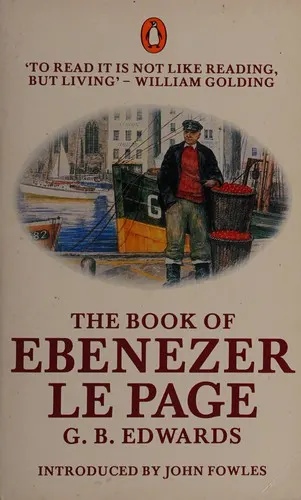
Books like The Book of Ebenezer Le Page
Ned Kelly is a long way from a Guernsey tomato grower, but Peter Carey’s outlaw speaks with the same irresistible illusion that a whole life has escaped history and reached us in the teller’s own words. These three novels preserve that rare combination of commanding voice, rootedness, comedy, grievance, and elegy.
If you liked The Book of Ebenezer Le Page, you’ll love these
Not lookalikes — kindred books. Each one shares something essential with The Book of Ebenezer Le Page, and we tell you exactly what.
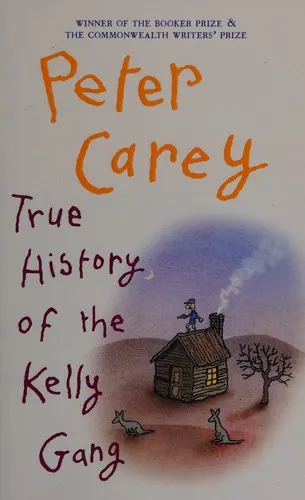
Carey’s Booker Prize winner is powered not by bushranging but by voice: urgent, unpolished, boastful, wounded, and unexpectedly tender. Kelly writes his own account as though no editor can be trusted between his experience and the page. The unconventional punctuation and headlong phrasing soon cease to look like technique; they become the pressure of a mind determined not to be misrepresented.
Like Ebenezer, Kelly is stubborn, partial, funny, and magnificently alive—someone whose personal grudges and loyalties open onto a larger history without turning him into a symbol. Carey makes vernacular speech carry an entire moral world. If what you loved was the sensation of meeting a person rather than merely reading about one, this is indispensable.
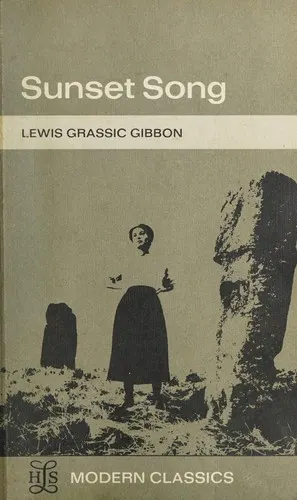
Few novels understand as deeply that loving a place means loving something time is already altering. Gibbon’s Kinraddie is not picturesque scenery but a dense web of farms, feuds, jokes, cruelties, weather, work, and remembered stories. His Scots-inflected prose moves between communal gossip and lyrical intimacy until the village itself seems to be speaking.
At its centre is Chris Guthrie, divided between intellectual ambition and attachment to the land. That conflict gives the novel the same ache found beneath Ebenezer’s comedy: progress may be necessary, but what it destroys cannot simply be dismissed as backwardness. Regularly claimed as one of Scotland’s greatest novels, Sunset Song earns that devotion sentence by sentence; its closing sense of a world passing is unforgettable.
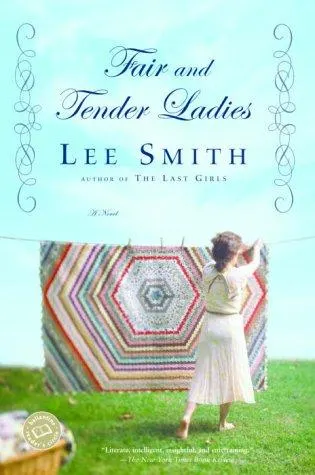
Ivy Rowe tells her life through letters, and the form creates the same delicious intimacy as Ebenezer’s manuscript: private jokes, misspellings, sudden confidences, practical details, old resentments, and revelations the writer scarcely realizes she is making. Her Appalachian idiom is never decorative. It is the shape of her intelligence—earthy, sensuous, shrewd, and incapable of sounding like anyone else.
Across the letters, one woman’s apparently ordinary life becomes a record of family, desire, hardship, and a changing rural culture. Smith never patronizes Ivy or tidies her contradictions; she lets the accumulating voice do the work. The result is one of Smith’s most cherished novels, the kind readers press into friends’ hands because finishing it feels less like leaving a story than losing a correspondent.