Author
Books like F. Tennyson Jesse
3 books we recommend to F. Tennyson Jesse readers, drawn from A Pin to See the Peepshow — each with the reason why.
If you loved A Pin to See the Peepshow
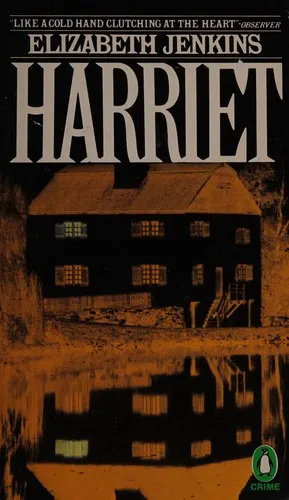
Jenkins, like Jesse, transforms a notorious Victorian crime into something more disturbing than a true-crime reconstruction. Harriet is a wealthy, intellectually disabled young woman whose relatives regard her money with considerably more warmth than they regard her. Jenkins shows, with terrifying composure, how ordinary vanity, resentment, and self-interest can harden into cruelty.
Winner of the Prix Femina Vie Heureuse and often considered Jenkins’s masterpiece, Harriet refuses the comfort of obvious monsters. Its power lies in watching people revise their consciences one small concession at a time. If you admired Jesse’s forensic understanding of how class, gender, money, and respectability determine whose suffering matters, Jenkins’s lucid, pitiless novel is indispensable.
Julia Almond’s romantic fantasies are not merely foolish mistakes: they are an inner country in which she can become the person her cramped life denies her. Highsmith builds Edith’s Diary around a similarly dangerous divide between lived experience and the story a woman tells about herself.
As Edith’s disappointing family life proceeds, the diary she keeps begins to record an increasingly satisfying alternative. Highsmith moves between those realities with unnerving precision, never reducing Edith to a case study or inviting easy contempt. The result is among her most psychologically audacious novels: domestic realism quietly turns hallucinatory, while self-invention becomes both resistance and trap. Readers who cannot forget Jesse’s mingling of pity, irony, and dread may find Edith equally impossible to shake.
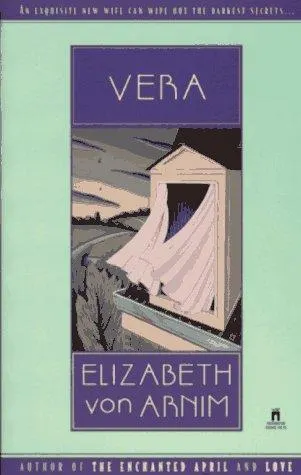
Vera begins with a vulnerable young woman, Lucy Entwhistle, falling under the spell of the confident widower Everard Wemyss. Von Arnim’s polished comedy soon reveals its teeth: courtship language conceals possession, good manners enforce obedience, and a man’s certainty about his own virtue becomes more frightening than overt villainy.
Often named von Arnim’s masterpiece, this slim novel has acquired devoted readers because it makes coercive control visible without sacrificing wit or ambiguity. Where Jesse places Julia before an actual court, von Arnim makes the reader judge every endearment, rebuke, and domestic arrangement. The mounting claustrophobia is exquisite—and the unseen presence of Vera, Wemyss’s first wife, gives the book a haunting moral pressure all its own.