Author
Books like Emily X.R. Pan
3 books we recommend to Emily X.R. Pan readers, drawn from The Astonishing Color of After — each with the reason why.
If you loved The Astonishing Color of After
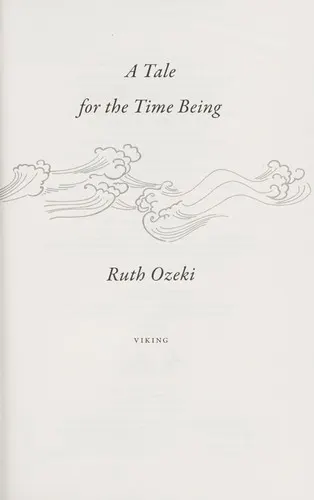
A diary washes onto a Canadian shore, carrying the voice of a Japanese teenager named Nao—and with it questions about suicide, family history, memory, and whether one person can reach another across an ocean. Like Pan, Ozeki builds a bridge between North America and East Asia while allowing the supernatural to hover at the edge of emotional reality.
This Booker-shortlisted novel is more expansive and playful than The Astonishing Color of After, but it shares its deepest conviction: the past is not safely past, and attending to another person’s story can be an act of rescue. Ozeki’s blend of tenderness, Buddhist thought, mystery, and metafiction makes the book feel intellectually dazzling without diminishing its emotional force. Readers who loved following Leigh into the buried life of her family may find Nao’s voice impossible to leave behind.
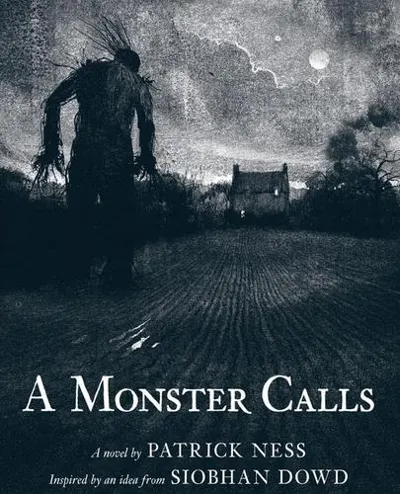
Shortly after midnight, a monster comes walking to Conor’s window. His mother is seriously ill, but the monster has not arrived to offer reassurance; it has come to tell stories and demand a truth Conor cannot bear to say.
This is the rare recommendation that matches Pan’s novel not merely in subject but in method. Both books turn grief into a physical visitor and understand that mourning contains anger, guilt, love, fear, and even thoughts that feel unforgivable. Patrick Ness, working from an idea by the late Siobhan Dowd, writes with brutal clarity, while Jim Kay’s ink-dark illustrations make the emotional landscape visible. The text and artwork won Britain’s Carnegie and Greenaway Medals—the first book to take both—and its final impact is devastating precisely because it refuses easy consolation.
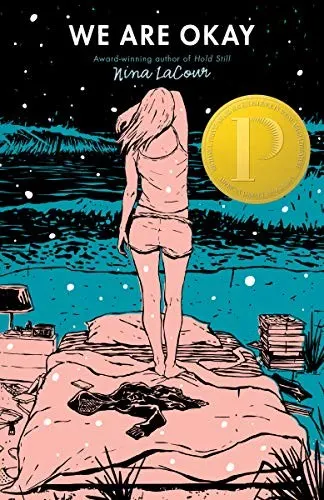
Marin has stayed alone in her college dorm through winter break, cutting herself off from nearly everyone she knew. Now her best friend is coming to visit, and the quiet life Marin has constructed can no longer keep the past outside.
Where Pan paints grief in saturated colors, LaCour works in winter whites, empty rooms, and charged silences. Her spare prose captures the numbness after catastrophe: the neglected messages, the objects that become unbearable, the longing to be known without having to explain everything. Yet this Printz Award winner is not emotionally cold. Its restrained, queer love story and patient attention to friendship make every small gesture of care feel enormous. Readers drawn to Leigh’s struggle to understand the person she lost will recognize LaCour’s equally piercing insight: sometimes healing begins not with an answer, but with letting someone remain beside you.