Author
Books like Elfriede Jelinek
3 books we recommend to Elfriede Jelinek readers, drawn from The Piano Teacher — each with the reason why.
If you loved The Piano Teacher
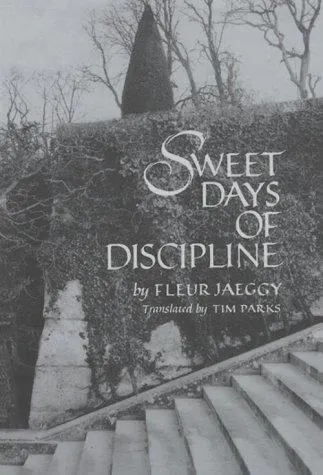
Jaeggy’s Bagutta Prize-winning cult novel has the same glacial compression and atmosphere of controlled violence. At a Swiss boarding school, a solitary girl becomes fascinated by a seemingly self-possessed new pupil; Jaeggy renders the attachment without comforting psychology, letting adoration, rivalry, erotic charge, and cruelty become almost indistinguishable.
Like Jelinek, she understands discipline as something people learn to desire even while it deforms them. Her short, immaculate sentences feel sharpened rather than written, and every withheld emotion gains pressure. Few novels this brief leave such a deep chill: admirers return to it because its elegance never domesticates its menace.
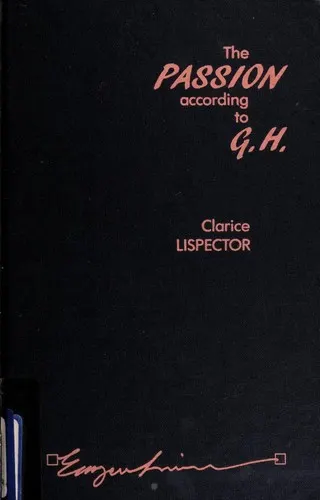
An affluent sculptor enters her former maid’s room, encounters a cockroach, and begins to lose her secure understanding of herself. From that stark opening, Lispector turns revulsion into an ordeal of identity, class, embodiment, and language.
A reader gripped by Erika Kohut’s war with her own body will recognize the fearless inwardness here: desire is not liberating, disgust is not merely repellent, and self-knowledge may amount to self-annihilation. Widely regarded as one of Lispector’s masterpieces, the novel pushes consciousness to an extremity few writers even attempt. Its intensity is almost physical; skipping it would mean missing one of modern fiction’s great experiments in what a mind can survive.
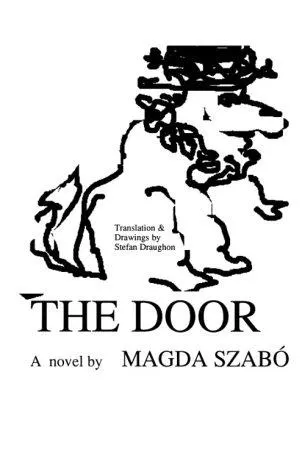
Szabó replaces sexual obsession with an equally ferocious struggle over intimacy. A writer hires Emerence, an imperious housekeeper who accepts affection only on her own terms and guards her independence with unnerving force. Their bond becomes a contest conducted through work, secrecy, gratitude, humiliation, and need.
What connects it to The Piano Teacher is its refusal to sentimentalize female suffering or female power. Love can be possessive; care can become coercion; shame can rule a life more completely than open force. Winner of France’s Prix Femina étranger and now regarded as Szabó’s defining novel, The Door inspires unusual devotion because its moral wound feels inexhaustible. Once its two women take hold of each other, they do not readily release the reader.