Author
Books like Dorothy Allison
3 books we recommend to Dorothy Allison readers, drawn from Bastard Out of Carolina — each with the reason why.
If you loved Bastard Out of Carolina
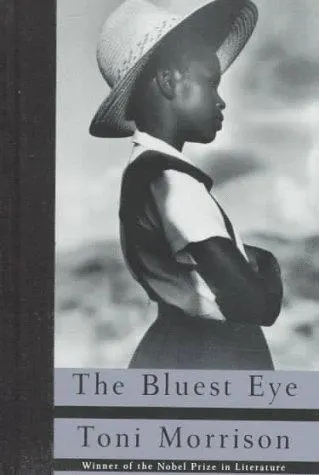
Morrison shares Allison’s refusal to turn an abused girl into either a symbol or a spectacle. Pecola Breedlove’s longing for blue eyes grows from a whole ecology of cruelty—beauty standards, poverty, adult frustration, and communal contempt—and Morrison keeps asking how ordinary people learn to look away.
Where Bone narrates with hard-won clarity, Morrison surrounds Pecola with a fractured chorus of memory, gossip, tenderness, and blame. The result is formally daring but emotionally immediate: a short novel whose sentences can be luminous even when its vision is devastating. Long challenged and fiercely defended, The Bluest Eye has become indispensable because it does what Allison does so powerfully: it makes society’s discarded child impossible to dismiss.
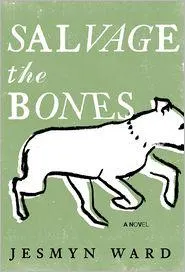
Esch, a teenage girl in a motherless Mississippi family, possesses Bone’s alertness to bodies, danger, and the unstable border between love and harm. Ward never sentimentalizes poverty; she renders its physical facts—the heat, hunger, animals, improvised repairs—while showing how loyalty can flourish amid deprivation without magically redeeming it.
The prose is the revelation: muscular, sensuous, and threaded with myth, giving Esch’s desires the grandeur the world denies them. Winner of the National Book Award, Salvage the Bones established Ward as a major novelist. Read it for the rare combination Allison also achieves: social truth without sociology, ferocity without emotional simplification.
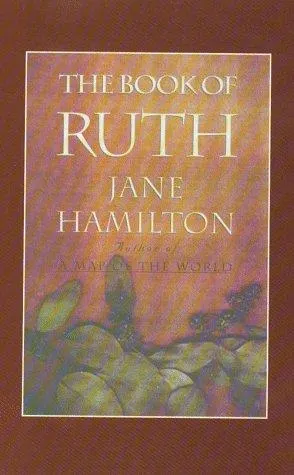
Ruth Grey speaks in a voice that initially seems plain and guileless, then reveals extraordinary powers of observation. Living under the judgment of her bitter mother and brilliant brother, she tries to assemble dignity from small pleasures, imperfect language, and scraps of affection. Like Bone, Ruth understands more than the adults around her suspect, though she cannot always name what she knows.
Hamilton builds the novel’s pressure patiently, making domestic humiliation and class shame feel as consequential as public catastrophe. Ruth is funny, mistaken, stubborn, and painfully alive—not a polished survivor created to reassure the reader. This PEN/Hemingway Award–winning debut has endured because its narrator becomes unforgettable: once Ruth begins telling you her life, abandoning her feels like another betrayal.