Author
Books like David Malouf
3 books we recommend to David Malouf readers, drawn from Ransom — each with the reason why.
If you loved Ransom
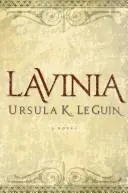
Le Guin enters Virgil’s Aeneid through a woman the poem barely allows to speak. Lavinia knows that a poet has imagined her incompletely, and that strange awareness gives the novel its haunting tension: she is both a figure inside an epic and a person insisting upon the reality of her own life.
Like Malouf, Le Guin does not modernize antiquity so much as make it newly intimate. Ritual, landscape, marriage, and violence retain their archaic gravity, while the prose remains lucid and delicately attentive to ordinary experience. One of Le Guin’s late masterpieces, Lavinia possesses the serenity and sorrow of a book that understands how art grants immortality while failing to preserve whole human beings.
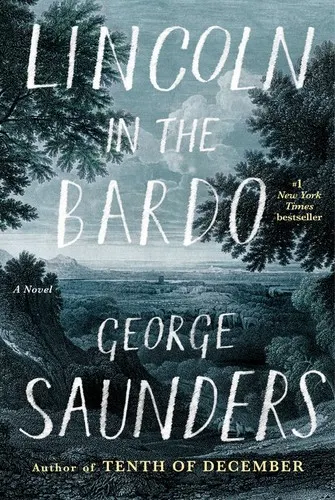
A famous leader enters a cemetery because, for one night, he cannot be the figure history requires him to be; he can only be a father mourning his son. That collision between public office and defenseless private grief is profoundly close to Ransom’s vision of Priam.
Saunders surrounds Lincoln with a clamorous multitude of dead voices—comic, obscene, vain, frightened, and compassionate. The method could have been merely ingenious, but it becomes an argument for radical fellow-feeling: every grotesque voice reveals a life that mattered to itself. Winner of the Booker Prize, Lincoln in the Bardo is formally unlike Malouf’s poised narrative, yet it reaches toward the same truth—that grief can strip power of its armor and open a passage to mercy.
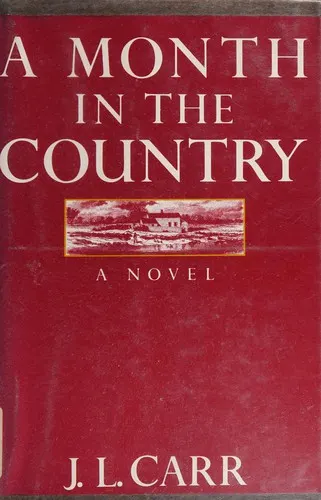
This short, exquisitely proportioned novel begins with a veteran arriving in a Yorkshire village to restore a medieval wall painting. He carries wounds from the First World War that Carr seldom names directly; instead, they register in gestures, silences, weather, work, and the gradual recovery of attention.
Readers who cherish Ransom’s cart journey—the release found in simple food, conversation, and the physical world—will recognize Carr’s faith in ordinary particulars. The novel’s beauty lies partly in its retrospective ache: happiness is precious because it passes, yet its passing does not make it unreal. Booker-shortlisted on publication and now beloved as a modern classic, A Month in the Country achieves in barely more than a hundred pages what many larger novels never approach: a complete, tender vision of damage, reprieve, and remembered grace.