Author
Books like David James Duncan
3 books we recommend to David James Duncan readers, drawn from The Brothers K — each with the reason why.
If you loved The Brothers K
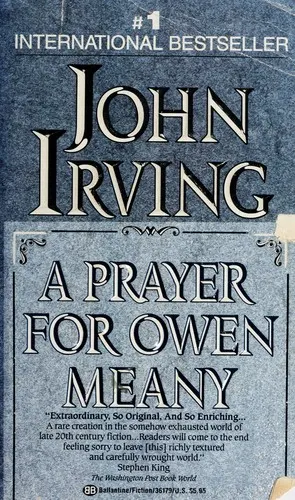
This is the closest match for Duncan’s ability to make faith and skepticism inhabit the same sentence. John Wheelwright looks back on his friendship with the tiny, commanding Owen, whose certainty about divine purpose is both absurdly funny and profoundly unsettling. Like Duncan, Irving builds theology out of family stories, childhood rituals, jokes, accidents, and the pressure of American history.
Its great comic set pieces slowly acquire emotional and spiritual weight; what first seems eccentric becomes indispensable. Few modern novels have inspired such fierce reader devotion, and for good reason: by the end, Irving has made coincidence, belief, grief, and storytelling feel like parts of one intricate design.
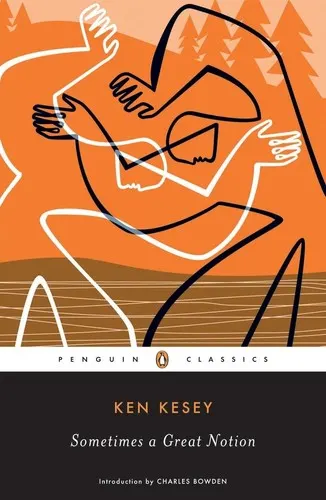
Read this for the same huge, unruly energy that makes the Chance family unforgettable. Kesey’s Stampers are Oregon loggers locked in conflict with their town, their union, one another, and their own inherited ideas of pride. The novel moves among minds and moments with astonishing freedom, creating a family portrait in which love often arrives disguised as rivalry, cruelty, or stubborn endurance.
Kesey is more formally daring and physically ferocious than Duncan, but he shares Duncan’s refusal to simplify difficult men. Overshadowed in popular culture by One Flew Over the Cuckoo’s Nest, this is widely regarded by Kesey’s most serious admirers as his masterpiece: a tragicomic American epic whose technical audacity is matched by its bruising emotional power.
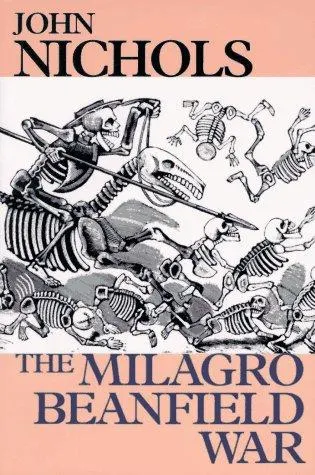
Joe Mondragon’s impulsive decision to divert water into a dry beanfield ignites an enormous struggle involving developers, officials, activists, laborers, drunks, saints, schemers, and ghosts. Nichols turns a local dispute into a jubilant argument about who gets to own a place—and who gets erased when money calls itself progress.
What connects it to The Brothers K is not merely Western landscape or countercultural politics, but its generous comic vision. Nichols can rage at institutions without losing affection for fallible people; the sacred and ridiculous keep elbowing each other on every page. Long cherished as a cult classic, it offers the rare pleasure of a politically serious novel that feels crowded with life rather than burdened by its message.