Author
Books like Darcie Little Badger
3 books we recommend to Darcie Little Badger readers, drawn from Elatsoe — each with the reason why.
If you loved Elatsoe
Tookie, an Ojibwe bookseller with a complicated past, discovers that her Minneapolis shop is being haunted by its most irritating former customer. Erdrich makes the haunting funny, frightening, and morally serious; the ghost becomes inseparable from questions about history, ownership, and what the living owe the dead.
Readers who loved Elatsoe’s affectionate family life and matter-of-fact supernatural world will recognize Erdrich’s ability to place Native community in the vivid present rather than behind museum glass. This is a denser, more adult novel, spanning the upheavals of 2020, but it has the same conviction that stories are tools for survival. Erdrich, one of America’s most honored living novelists, also makes a bookstore feel like a wonderfully unruly refuge. The Sentence is haunting in every sense: eerie, intimate, and difficult to leave behind.
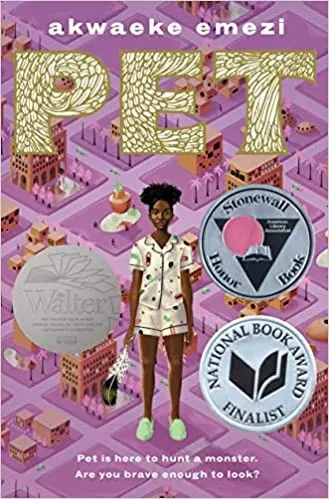
Jam lives in Lucille, a city that claims to have eliminated monsters. Then a strange horned being called Pet emerges from one of her mother’s paintings and insists that something dangerous remains hidden nearby.
What links this National Book Award finalist to Elatsoe is its refusal to confuse gentleness with innocence. Both books give a clear-eyed young protagonist loving parents and a secure identity—Jam is Black and trans—then ask her to confront harm that respectable adults would rather believe impossible. Emezi’s spare, luminous prose makes the story read like a modern fable, but its questions are piercingly concrete: How do you recognize evil when it looks ordinary? What does belief require of you? Few novels this short create such a complete moral universe.
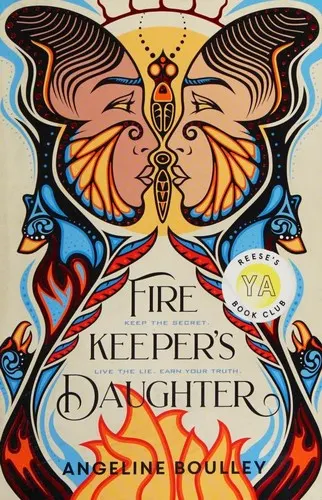
Daunis Fontaine has spent her life navigating the boundaries of her Ojibwe community, her white relatives, and a hockey world that never lets her forget where others think she belongs. When violence draws her into an investigation, her knowledge of medicine, ceremony, family networks, and tribal politics becomes more valuable than any official credential.
There is no supernatural element here, and the story is considerably darker than Elatsoe, but Daunis and Ellie are kindred heroines: observant, stubborn, culturally grounded young women who investigate because institutions cannot be trusted to value their people correctly. Boulley makes community knowledge the engine of a genuinely gripping mystery rather than decorative background. Her Edgar-winning debut became a phenomenon because its suspense never comes at the expense of specificity or heart. Daunis’s voice—wry, analytical, and fiercely loving—makes this a book readers press into one another’s hands.