Author
Books like Claire Messud
3 books we recommend to Claire Messud readers, drawn from The Woman Upstairs — each with the reason why.
If you loved The Woman Upstairs

Like Nora Eldridge, Barbara Covett is a lonely teacher whose articulate self-awareness conceals just how badly she needs another person. When she befriends a younger colleague, sympathy and fascination begin shading into possession. Heller lets Barbara narrate, producing sentences so dry, intelligent, and venomously funny that complicity arrives before judgment.
Shortlisted for the Booker Prize, this is one of the finest modern novels about resentment disguising itself as devotion. If Messud’s furious first person held you captive, Barbara’s insinuating confidences are essential reading.

Harriet Burden is an artist convinced that sexism has distorted the reception of her work. She devises an audacious experiment, exhibiting new pieces behind male identities; the novel reconstructs what follows through her notebooks, critical writing, and conflicting testimony.
That many-voiced form makes Hustvedt’s Booker-longlisted novel a bracing companion to The Woman Upstairs: both ask who gets recognized as an artist, how humiliation alters ambition, and whether justified rage can remain morally clean. It is intellectually formidable but never bloodless—an absorbing battle over authorship, power, and the ownership of a life’s work.
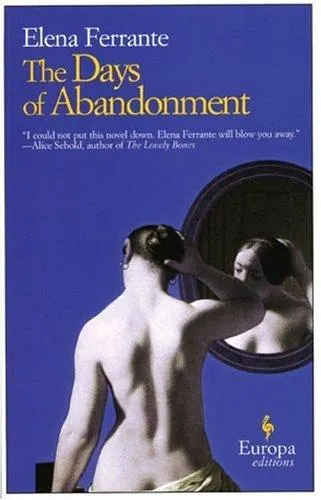
After her husband abruptly leaves, Olga’s orderly identity begins to fracture. Ferrante refuses every decorous version of feminine suffering: Olga’s anger is bodily, obscene, humiliating, sometimes frightening, and rendered with an intimacy that makes the novel feel less narrated than survived.
This early Ferrante novel became a touchstone for readers because it grants female fury full tragic weight without turning its heroine into either an emblem or a cautionary tale. Nora’s opening declaration of anger finds its fiercest echo here; missing it means missing one of contemporary fiction’s most uncompromising descents into—and struggles against—self-erasure.