Author
Books like Casey Plett
3 books we recommend to Casey Plett readers, drawn from Little Fish — each with the reason why.
If you loved Little Fish

A grieving trans woman creates an encyclopedia of the cult television series beloved by her late friend Vivian. Between descriptions of characters, costumes, and episodes, Vivian herself gradually comes into focus—not as a solemn memorial subject, but as a funny, difficult, desired person.
Like Plett, Plante understands that friendship carries its own archive of jokes, irritations, crushes, and shared obsessions. Her ingenious form turns fandom into a language for grief without making grief tidy. Winner of the Lambda Literary Award for Transgender Fiction, this slender novel has inspired fierce devotion; it feels less like reading a monument than being trusted with someone’s treasured box of tapes.

Peters gives trans women the freedom to be gloriously bad at managing desire. Reese wants motherhood; Ames, who once lived as Amy, has detonated his old life; Katrina is pregnant and suddenly entangled with both of them. Their proposed family arrangement produces ruthless comedy, erotic tension, and uncomfortable questions about who gets to claim whom.
Readers drawn to Wendy’s messy social world will recognize the refusal of exemplary characters: these people can be vain, perceptive, selfish, loyal, and painfully funny in the same conversation. National Book Award–longlisted, the novel became a landmark because its domestic drama is so specific—and because it treats trans life not as an issue but as a whole unruly field of love, money, envy, and hope.
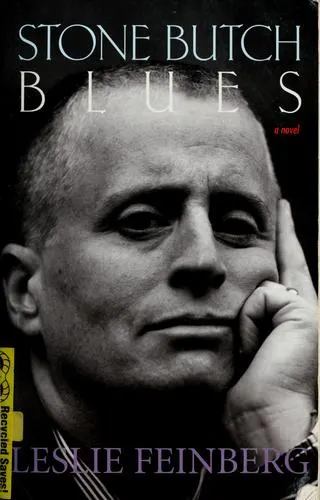
If Little Fish left you aching over the histories that disappear before anyone can ask the right questions, Feinberg’s landmark novel is essential. Jess Goldberg comes of age searching for work, safety, language, and community in a world determined to erase people like Jess. The book is harsher and more sweeping than Plett’s, but it shares her attention to material life: jobs, rooms, clothes, bars, medical care, and the fragile networks that make survival possible.
Its political importance can obscure how intimate it is. Jess’s hunger to be recognized gives every friendship and betrayal enormous force, while moments of tenderness arrive without sentimentality. Decades after publication, readers still pass the book hand to hand; Feinberg even made an authorized edition freely available. It is not merely foundational queer history—it remains devastatingly alive.