
Books like Detransition, Baby
Nevada sends its heroine careening outward; The First Bad Man makes a single home feel equally destabilizing. Alongside All This Could Be Different, these novels share Torrey Peters’s gift for turning unruly desire, compromised choices, and improvised forms of care into bracing social comedy.
If you liked Detransition, Baby, you’ll love these
Not lookalikes — kindred books. Each one shares something essential with Detransition, Baby, and we tell you exactly what.
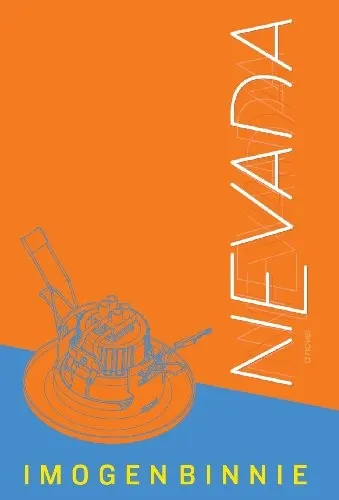
Maria Griffiths is a trans woman in New York whose relationship, job, and carefully maintained self-understanding begin coming apart. Like Peters, Binnie refuses the burden of the exemplary trans protagonist: Maria is funny, selfish, perceptive, reckless, and capable of being spectacularly wrong about other people.
The deeper kinship lies in how Nevada treats identity as something lived amid sex, money, resentment, and fantasy—not as a tidy revelation. First published in 2013 and later reissued after becoming a cult classic, it helped make the abrasive, gloriously unrespectable candor of Detransition, Baby possible. Reading it feels like encountering one of the live wires in contemporary trans fiction.
Cheryl Glickman has built an eccentric private cosmology around her solitary life; then a hostile young woman named Clee moves into her house. What follows is powered by the same dangerous question that animates Detransition, Baby: what if the forms of intimacy available to you are ridiculous, humiliating, and nevertheless real?
July writes bodily embarrassment, sexual fantasy, aggression, and longing with fearless comic precision. Her characters do not discover clean labels for what they want; desire instead rearranges power, care, and identity around them. The novel’s bizarre premises become unexpectedly moving because July never apologizes for them. Few books are this strange, this funny, or this sincere about unconventional attachment.
Fresh out of college, Sneha takes a corporate job in Milwaukee and tries to assemble an adult life from paychecks, queer desire, immigrant-family expectations, and friendships that are more sustaining—and more demanding—than she anticipates.
Readers who loved Peters’s understanding that private relationships are shaped by rent, work, race, and social status will recognize Mathews’s intelligence immediately. Sneha is magnetic without being easy: she withholds, performs competence, wounds people, and longs for rescue while resisting it. The novel makes chosen family concrete rather than sentimental, showing the labor and negotiation beneath the phrase. A National Book Award finalist, it is one of the sharpest recent novels about how queer people build lives together when independence proves to be partly a myth.