Author
Books like Caitlín R. Kiernan
3 books we recommend to Caitlín R. Kiernan readers, drawn from The Drowning Girl — each with the reason why.
If you loved The Drowning Girl
An unnamed young woman in a desolate coastal town believes she is a mermaid and waits for a man who may never return. That premise sounds like the obvious bridge to Kiernan, but the deeper kinship lies in Hunt’s narration: lonely, funny, sensuous, and impossible to divide neatly into fact, delusion, metaphor, and myth.
Like Imp, Hunt’s narrator uses stories not to hide reality but to survive its unbearable parts. Her marine imaginings saturate the book until grief and desire seem governed by their own tides. First published in 2004, The Seas became a quietly beloved cult novel and earned Hunt a place among the National Book Foundation’s inaugural 5 Under 35 honorees. It is short enough to read in a sitting and strange enough to haunt you for years.
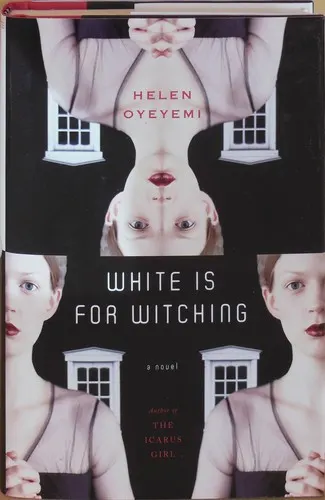
The Silver family’s old house in Dover is a bed-and-breakfast, a repository of grief, and—eventually—one of the novel’s narrators. After her mother’s death, Miranda Silver retreats further into a private reality shaped by pica, family history, and the house’s malign attention. Her twin brother, her friend Ore, and the building itself offer competing versions of her.
Oyeyemi makes form do the haunting. Pronouns slip, voices interrupt one another, and the distinction between a distressed mind and a genuinely predatory world refuses to hold. A reader who loved Kiernan’s mixture of queer desire, mental illness, folklore, and narrative instability will recognize the danger of asking which account is “really” true. Winner of the Somerset Maugham Award, White Is for Witching has the compressed, inexhaustible quality of a modern gothic classic.
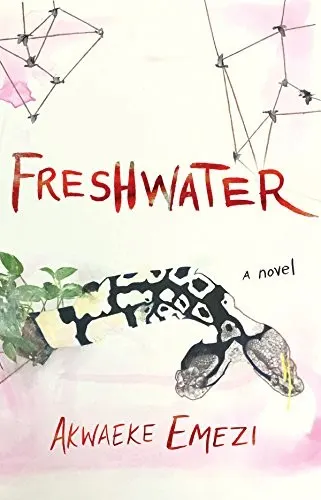
Freshwater begins with Ada’s birth and the spirits who understand themselves to have arrived inside her. They narrate much of the novel, quarreling over Ada’s body and life in voices that are seductive, frightening, protective, and cruel.
What links Emezi’s PEN/Hemingway-finalist debut to The Drowning Girl is its refusal to subordinate one explanation to another. Igbo spiritual knowledge, trauma, dissociation, gender, and embodiment coexist without being reduced to a diagnostic reveal. The result is not ambiguity for its own sake, but a fierce account of how a self can be divided and still remain a self. Emezi’s prose has the authority of scripture and the immediacy of confession; missing Freshwater would mean missing one of contemporary fiction’s boldest reimaginings of consciousness.